
Pizza Dough Secrets I Wish Someone Had Told Me Four Years Ago
Okay so six years ago I had my first real Neapolitan pizza in Spain. Light, airy, crust that literally melted. I remember thinking — I need to make this at home.
Spoiler: it did not go well at first.

my first neapolitan pizza
The YouTube rabbit hole (you know this feeling)
I watched probably a dozen videos before I even touched flour. One said bread flour, another said all-purpose. Some people swore by pizza stones, others had these fancy pizza ovens that cost more than my rent. The more I watched, the more confused I got.
And I was so done with frozen pizza — always flat, always heavy. Delivery wasn't much better. Making it myself felt like the only way to actually get something good.
So I tried. And my first homemade pizza dough was... honestly kind of sad.

my first pizza
Why most beginner pizza recipes don't work
My favorite local pizzeria once shared their recipe with me. Flour, salt, yeast. That's it. No hydration percentage, no fermentation time, no signs to look for in the dough.
I followed it exactly and got a stiff, lifeless crust that tasted like cardboard.
I also took a course. It showed me how to stretch dough, but never explained how gluten actually works, or what fermentation is doing to the dough while it sits. Without that foundation, every bake felt like guessing. I kept thinking maybe I needed a stand mixer, maybe a pizza stone, maybe some special imported flour.
I didn't want to spend money on gear that only made sense if I was baking every single week.
I also joined a course. It showed how to stretch dough, but not how gluten works, how flour and yeast work together. Without that, it felt like guessing. I kept thinking: maybe I need a stone, maybe a mixer, maybe special flour. But I didn’t want to invest in gear that only made sense if I baked every week.
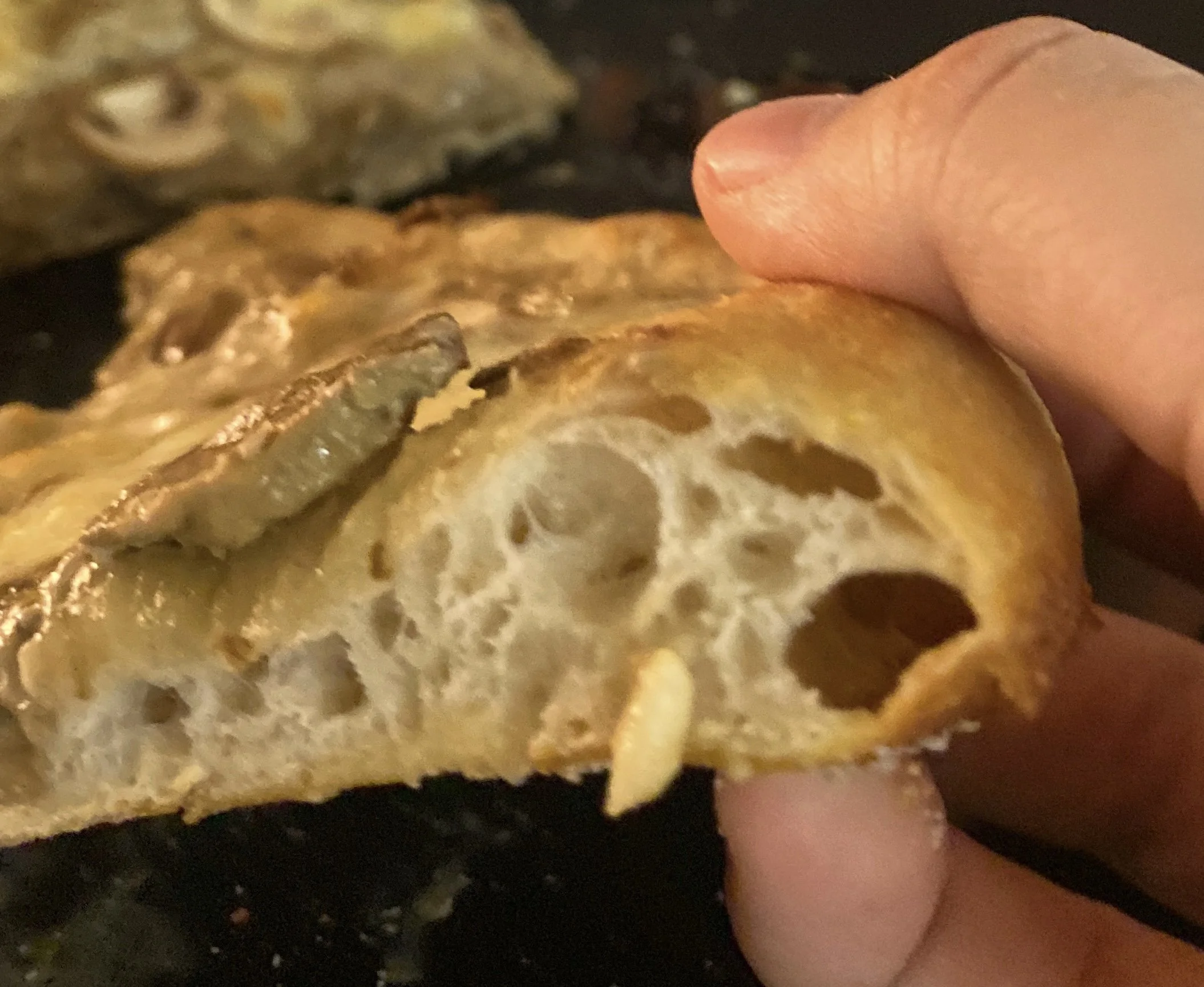
my pizza after the course

The moment things actually changed
A friend who worked as a professional baker shared a recipe — but this time with actual details. Flour type, fermentation time, what to look for when shaping.
For the first time, my pizza rose properly. The crust was airy inside, crisp outside. It tasted genuinely close to pizzeria pizza, out of my completely regular home oven.
That one bake changed everything. Not because I suddenly had better equipment — because I finally understood the process.
Here are the four pizza dough secrets I took away from those first four years.
If you want to bake pizza your family will actually ask for again — I'm opening a live online workshop in May 2026. We go deep on how everything works: fermentation, flour, dough behavior, heat. You'll understand the process well enough to bake your favorite pizza style consistently, in your own oven. Join the waitlist →
Want the full details first? See the full Online Pizza Workshop for Home Ovens

first succesful one
Secret 1: Stop searching for the "best" recipe
This one sounds obvious but it's the thing that kept me stuck the longest.
When you're a beginner, the temptation is to keep scrolling for the perfect homemade pizza dough recipe. Better flour, better technique, better YouTube channel. But switching recipes constantly means you never build the feedback loop that actually teaches you anything.
Pick one recipe that has real details — hydration level, fermentation time, what the dough should feel like at each stage. Then repeat it. Your first few bakes won't be perfect and that's completely fine. Each one gives you information. Over time you start to recognize what good dough actually feels like, and that's worth more than any recipe.

Secret 2: Understand the stages — even just roughly
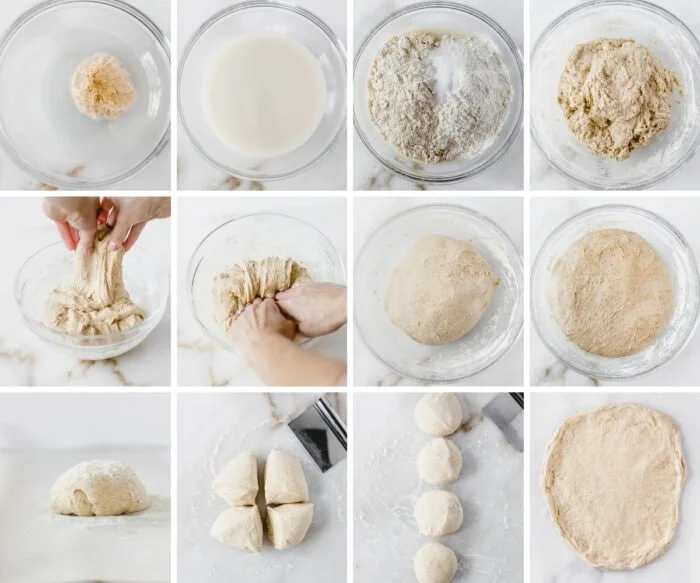
Almost every pizza dough follows the same basic cycle:
Mix the ingredients
Ferment and let the dough mature
Divide and shape into balls
Let it proof (final rise)
Bake
That's genuinely it. You don't need preferments like biga or poolish when you're starting out. A simple direct dough already gets you a light, crispy crust that doesn't taste doughy or dense — as long as you don't skip the fermentation stage.
And here's one of the actual pizza dough secrets that nobody mentions in short-form videos: fermentation time matters more than almost anything else. I usually ferment my dough for 24–48 hours in the fridge. At 24 hours the crust is good. At 48 hours the flavor gets deeper and more complex — that subtle tang you get at a good pizzeria. Short fermentation just can't replicate it.
Secret 3: Watch the dough, not the clock
This one took me the longest to actually trust.
Recipes give you times because they have to give you something. But fermentation depends on your flour, your yeast amount, and especially your kitchen temperature. A warm kitchen ferments fast. A cool one ferments slow. Whole wheat flour speeds things up because it feeds the yeast more. The same recipe can behave completely differently in summer versus winter.
Instead of asking "has it been 3 hours?" — look at the dough. Has it grown visibly? Does it feel airy when you press it? Can you see bubbles through the container walls? Does it spring back slowly when you poke it?
Those signs tell you more than any number on a recipe card. Learning to read them is genuinely one of the most useful pizza dough secrets I can pass on.

Secret 4: Take notes (even terrible ones)
I thought I'd remember everything. Which flour I used, how long it fermented, how warm the kitchen was that day.
I did not remember anything.
Once I started keeping even basic notes — a few lines and a quick photo — I could actually see my own progress. I understood why one dough stayed dense and another turned out light and elastic. That visibility made each bake easier to improve on and repeat.
You don't need a spreadsheet. A note on your phone and one photo of the dough before it goes in the oven is enough.

The foundation you actually need
All of this rests on a few basics:
Strong flour — 00 or bread flour handles fermentation and hydration better than all-purpose
Enough water — hydration around 65–70% for beginners, higher as you get more comfortable
Real heat — preheat your oven fully and bake on something hot: a pizza steel, stone, or iron pan
Temperature matters more than most people realize. A properly preheated surface is what gives you a crisp bottom instead of a pale, soft one. You don't need a wood-fired oven. You need a hot surface and a fully preheated oven.’
You genuinely don't need fancy equipment
As I said, you can start with iron pan without stand mixer.
A bowl, a kitchen scale, and a regular oven are enough to make homemade pizza dough that's better than frozen and honestly often better than delivery. The equipment helps later — but it's never what was holding you back in the first place.
What actually moves the needle: choosing one recipe, watching the dough instead of the clock, and tracking what you do. That's it.

Q&A
What's the easiest homemade pizza dough recipe for beginners? A direct dough — flour, water, yeast, salt, a little honey and oil. Mix it, let it ferment, shape it, bake it. Repeat until it feels natural.
Do I need a pizza stone? No. A heavy pan and your oven's broiler setting can give you a genuinely crisp crust without any special equipment.
Is homemade pizza worth the effort? Yes, especially once you get past the first few bakes. You control the ingredients, the fermentation, the toppings — and the result is usually fresher and more interesting than anything from a box or a mediocre delivery place.
Why does my pizza dough stay sticky? Usually means the gluten hasn't developed enough yet — give it more time and a couple of folds. Or the dough got too warm during mixing, which breaks down the structure. Either way, it's fixable.
How do I know if my pizza dough is getting better? Take photos of every bake. Seriously — you won't notice the progress in real time, but looking back at a photo from three months ago is genuinely motivating.
