
Flour for Pizza Dough: What Actually Matters and How to Choose
Five years ago I tried to make pizza with whole wheat flour. Just swapped it in, same recipe, same hydration, same everything. What came out looked more like a frisbee than a pizza.

That's when I realized flour isn't just flour. Same recipe, same timeline, two different bags — and one pizza tastes like your favorite spot, the other tastes like you gave up halfway through.
Flour is your dough's engine and chassis in one. It decides what you can stretch, how long you can ferment, how much water you can add, and what the crust will actually feel like when you bite it. Not because some brand is magic — but because protein, strength, and structure are genuinely different from bag to bag.
Two pizza styles, two different flour needs
Before anything else, it helps to know what style you're going for — because the flour that works beautifully for one can actively fight you in the other.
Neapolitan style — hot oven, short bake, soft open rim, fast color. This style wants flour that's extensible, meaning it stretches easily without snapping back. Go too strong and you get rubber-band discs, tight crumb, and a rim that never really opens. The dough should feel cooperative, not like it's fighting you.
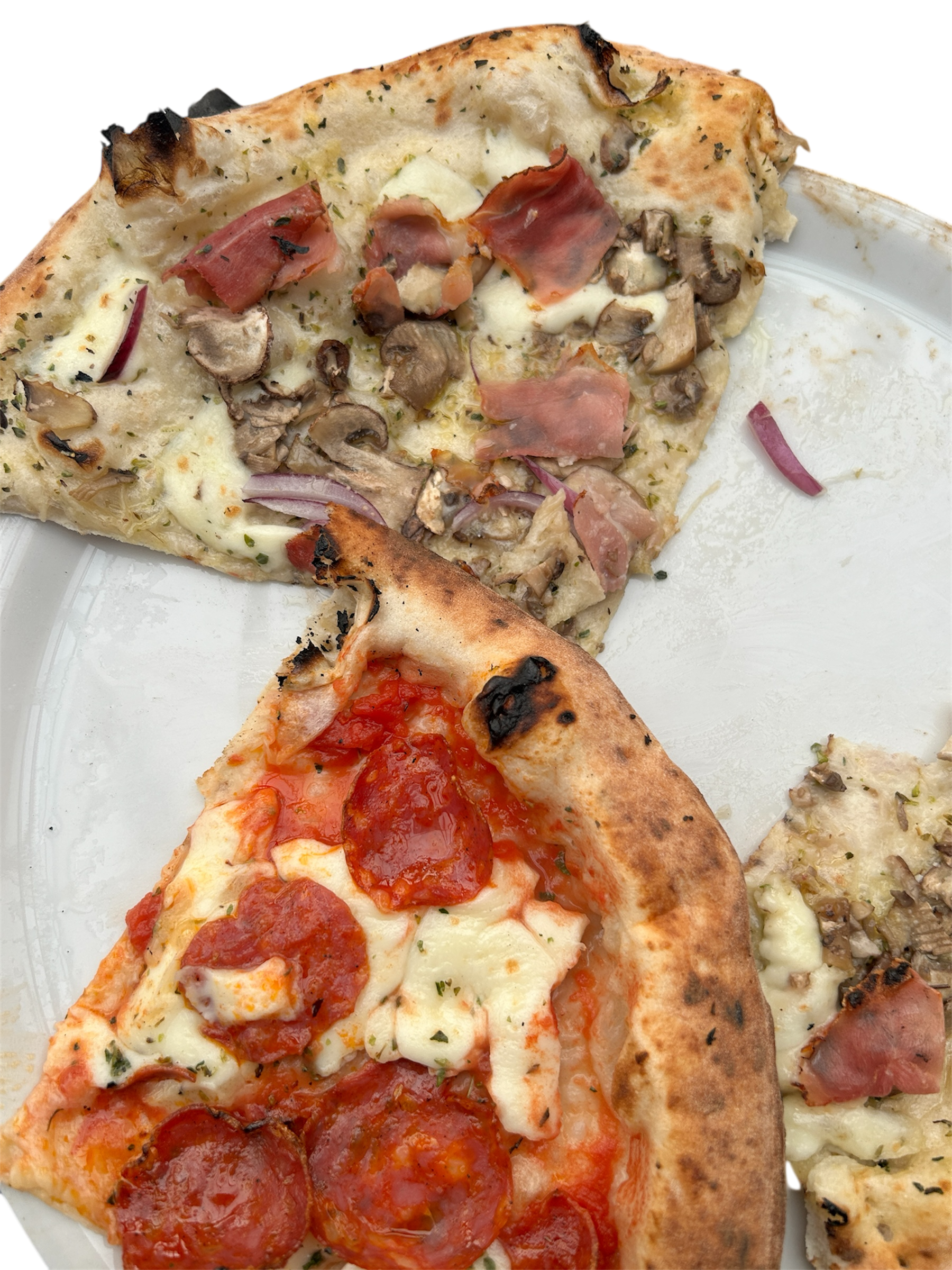
Crispy home oven pizza — NY-ish, baked on steel, longer bake at lower temperature. You want structure that holds up through a longer bake without collapsing. More chew is fine, crisp bottom is the goal. This style likes flour that's stronger and handles more water without getting sloppy.
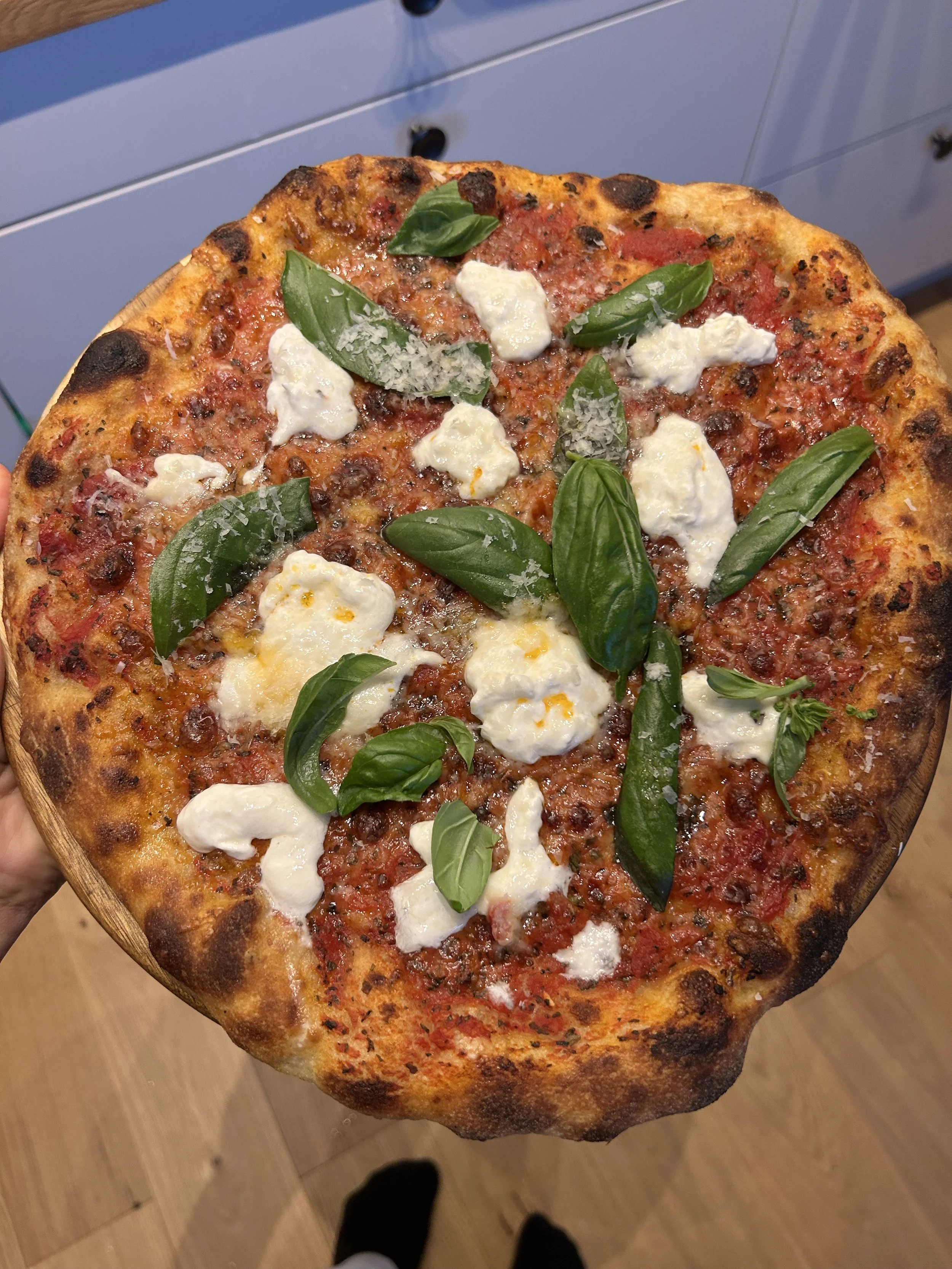
Knowing which one you're making makes every flour decision easier.
If you want to bake pizza your family will actually ask for again — I'm opening a live online workshop in May. We go deep on how everything works: fermentation, flour, dough behavior, heat. You'll understand the process well enough to bake your favorite pizza style consistently, in your own oven. Join the waitlist →
Want the full details first? See the full Online Pizza Workshop for Home Ovens
What the bag actually tells you
If you're in the US
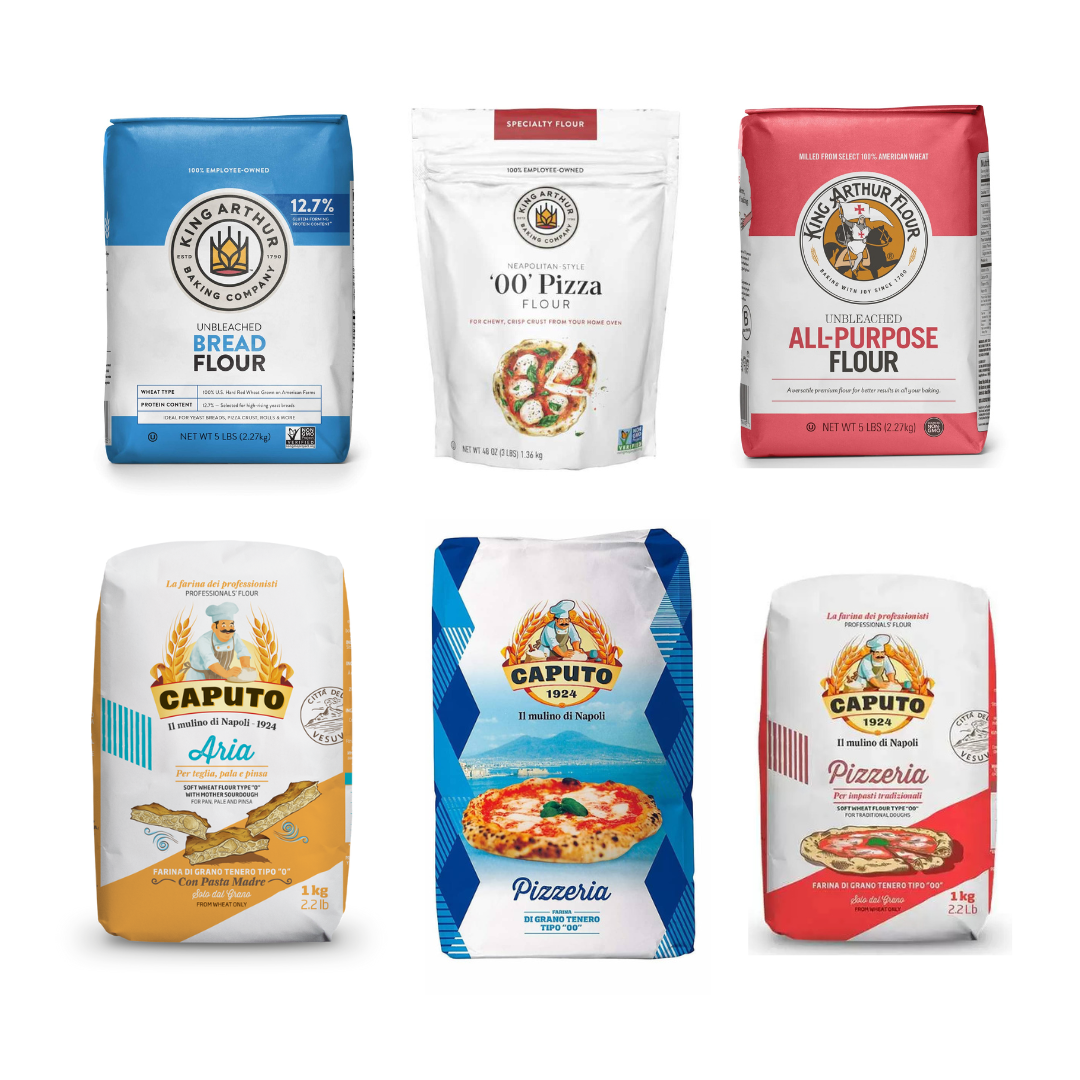
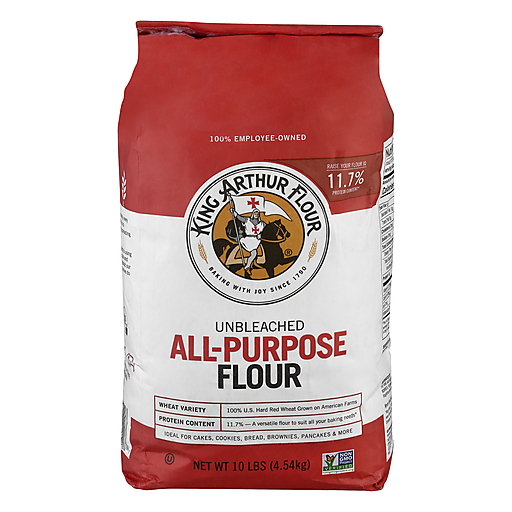
Most American flour bags don't show W or P/L values. Your main number is protein percentage.
~10% — weak, great for cookies, not built for long pizza fermentation
11–12% — solid all-purpose range, works fine for a lot of home pizza
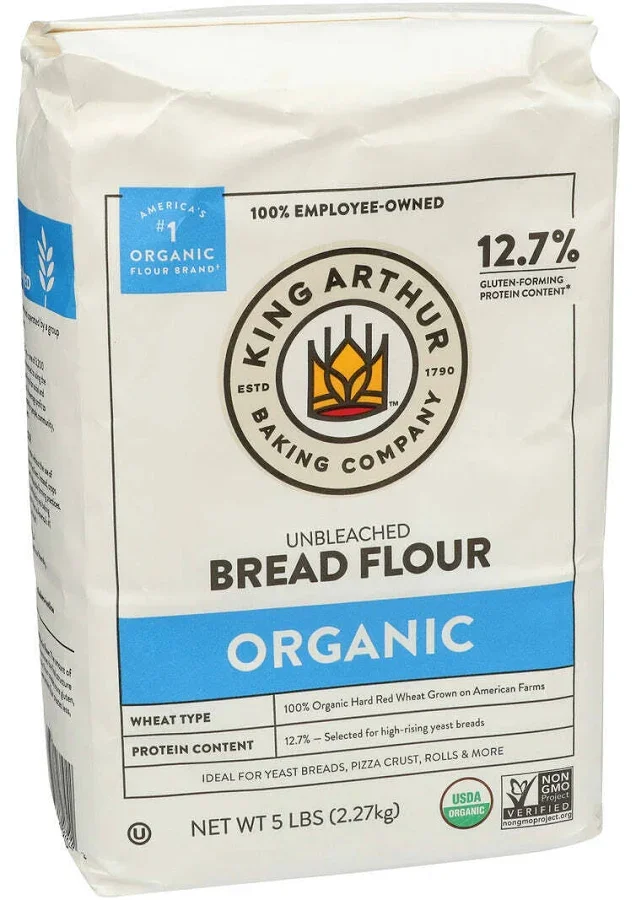
12.5–13.5% — bread flour territory, good for 24–48h cold fermentation and higher hydration
14%+ — high-gluten, needs plenty of time to relax, can turn rubbery if you rush it
A common move among American pizza bakers is blending strong bread flour for pizza dough with all-purpose to dial in exactly the behavior they want. More on that below.
If you're in Europe (especially Italy)
You'll often see Type 00 or 0 on the bag, sometimes W, sometimes P/L.
One thing that trips people up: 00 refers to refinement level, not strength. It means the flour is finely milled and low in ash — it does not automatically mean strong or weak. A 00 flour can be anything from delicate and fragile to extremely robust depending on the wheat and processing.
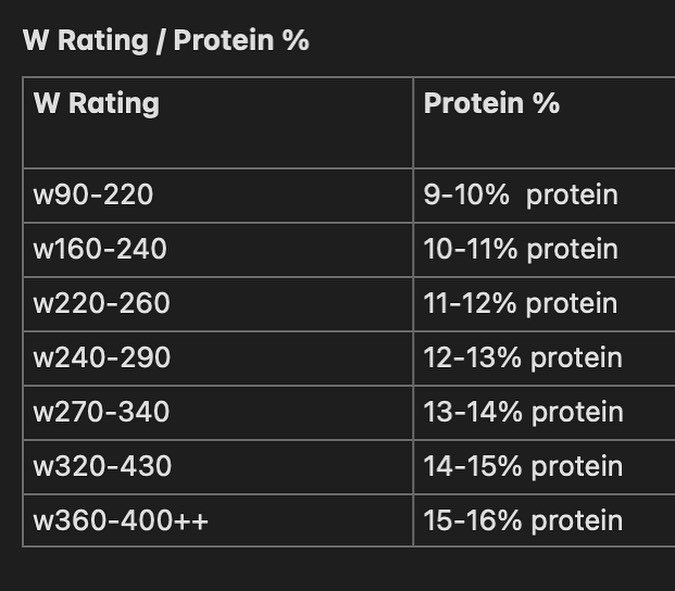
W 220–260 — medium strength, good for shorter to medium timelines
W 260–300 — solid pizza range, handles 24–48h cold well
W 300–350+ — very strong, wants longer fermentation and good technique; rushed, it gets tight and chewy
For Neapolitan-style dough, W 260–280 is a really comfortable sweet spot — strong enough for structure, extensible enough to open without a fight.
The flour parameters that actually help you choose
Protein
Not a perfect strength meter, but a useful first filter. Higher protein usually means more potential strength and water tolerance — but two flours can both say 12% and behave completely differently because gluten quality isn't captured in that number alone.
W value
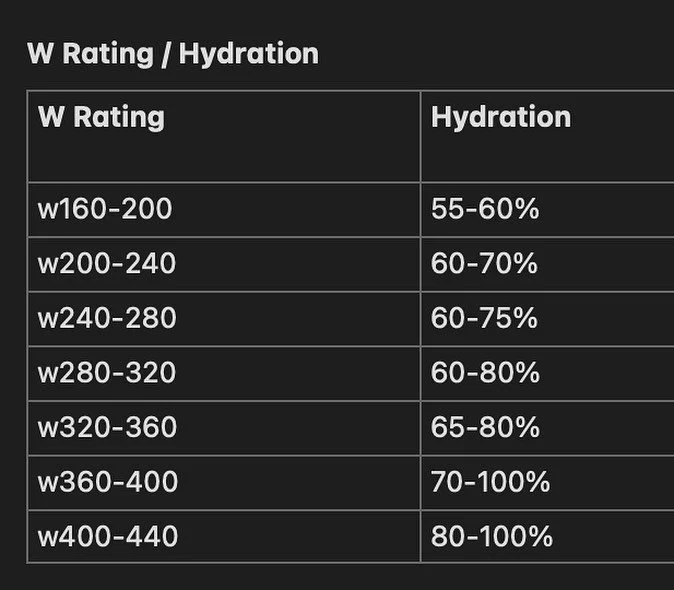
W comes from the alveograph test and measures flour strength more directly than protein. Higher W means the flour can hold longer fermentation and more water without collapsing. If you see it on the bag, use it. If you don't, work with protein and read the dough.
P/L ratio
This is essentially stretch vs. snap-back.
Lower P/L: more extensible, stretches easily — great for Neapolitan handling, but too low and it tears like tissue paper
Higher P/L: more elastic, more snap-back — fights you hard if fermentation is short
For Neapolitan-style dough, a P/L around 0.5–0.7 is a common target.
Absorption, stability, falling number
You'll sometimes see these in Italian flour specs. Most home bakers won't find them on regular bags, but they're worth knowing:
Absorption hints at how much water the flour can take before going slack
Stability is how long it tolerates mixing without weakening — matters if you use a stand mixer
Falling number reflects enzyme activity — very low means fast fermentation and sticky collapse risk; very high means sluggish fermentation and pale bake
If your bag doesn't show these, you're not missing a secret. You just read the dough instead.
What to buy for each style
Neapolitan style with proper top heat
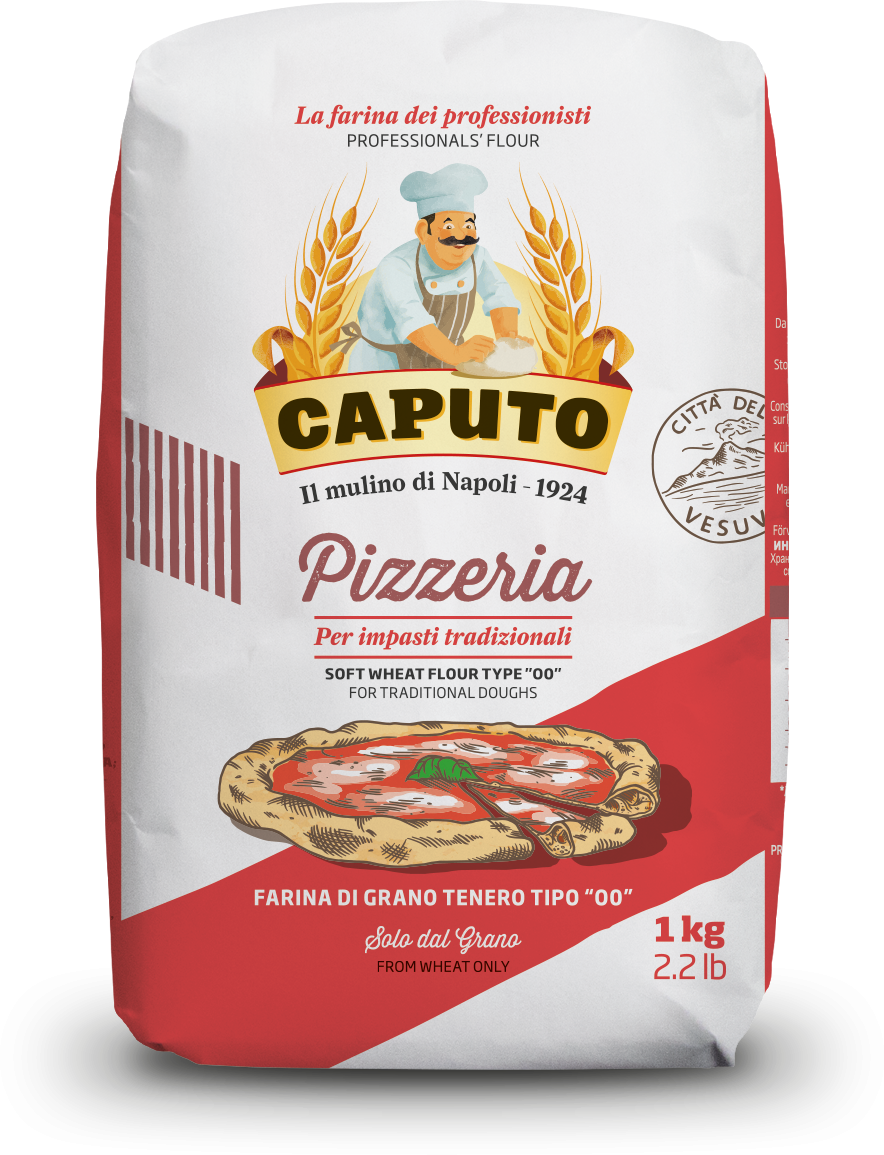
Look for a pizza-oriented 00 or 0 in the W 260–280 range if listed, with moderate P/L. Caputo Pizzeria is a well-known example — works great in hot fast bakes, and holds up fine in home setups as long as you don't push hydration and fermentation time too hard.
Crispy home oven pizza on steel
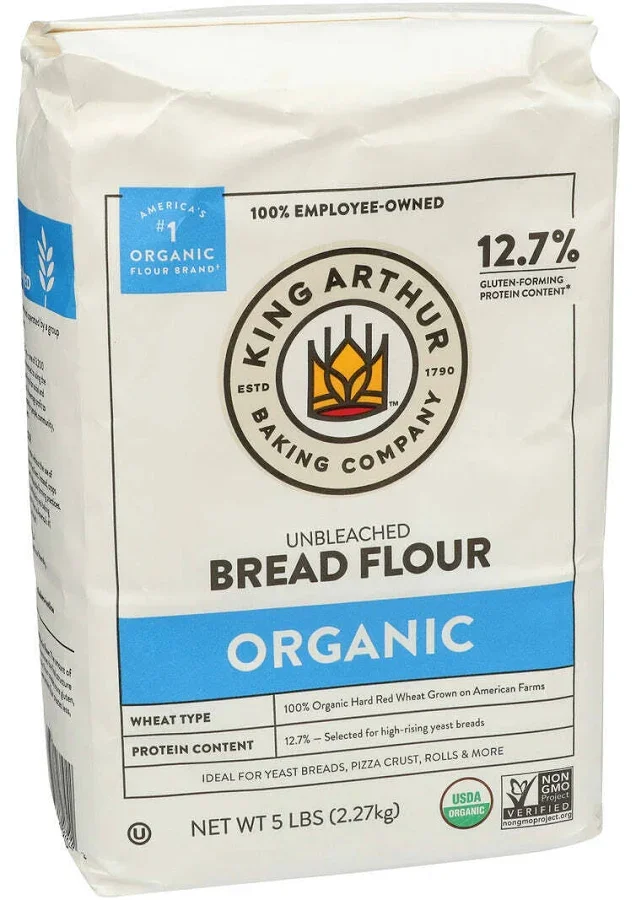
Good bread flour for pizza dough is usually the easiest win here. It handles longer bakes and cold fermentation better than all-purpose, and browns nicely on a hot steel. If you go very high-gluten, give it enough time to relax — rushed, it turns rubbery.
If all you have is all-purpose flour
Pick the strongest AP you can find — aim for 11%+ protein. All-purpose absolutely makes decent pizza. Just don't push it into 72-hour cold fermentation at high hydration. It's not built for that combination.
How to tell when flour is the problem
Sometimes the dough behaves badly and you assume it's your technique. Often it's the flour match.
Dough tears easily even when warm — flour is probably too weak for the hydration and timeline, or gluten wasn't developed enough. Drop hydration slightly or shorten fermentation.
Dough snaps back hard and keeps shrinking — flour is very strong for your timeline, or the dough is underproofed, or it's still cold inside. Give it more room temperature time before stretching.
Dough turns slack and spreads after cold fermentation — timeline is too long for that flour, fridge might be warmer than you think, or hydration is too high for that particular bag.
Flour choice and fermentation time are directly linked. Stronger flour buys you time. Weaker flour needs shorter timelines or lower hydration. That's the whole relationship.
Blending is the easiest cheat code
If what you have isn't perfect, blend it. This is how a lot of experienced bakers actually work.
Flour is too strong, too snappy — add 20–30% all-purpose to relax it.
Flour is too weak, collapses on longer cold — add 20–40% bread flour to give it backbone.
You don't need to find a mythical perfect bag. You tune what you have.
Whole wheat pizza dough and rye
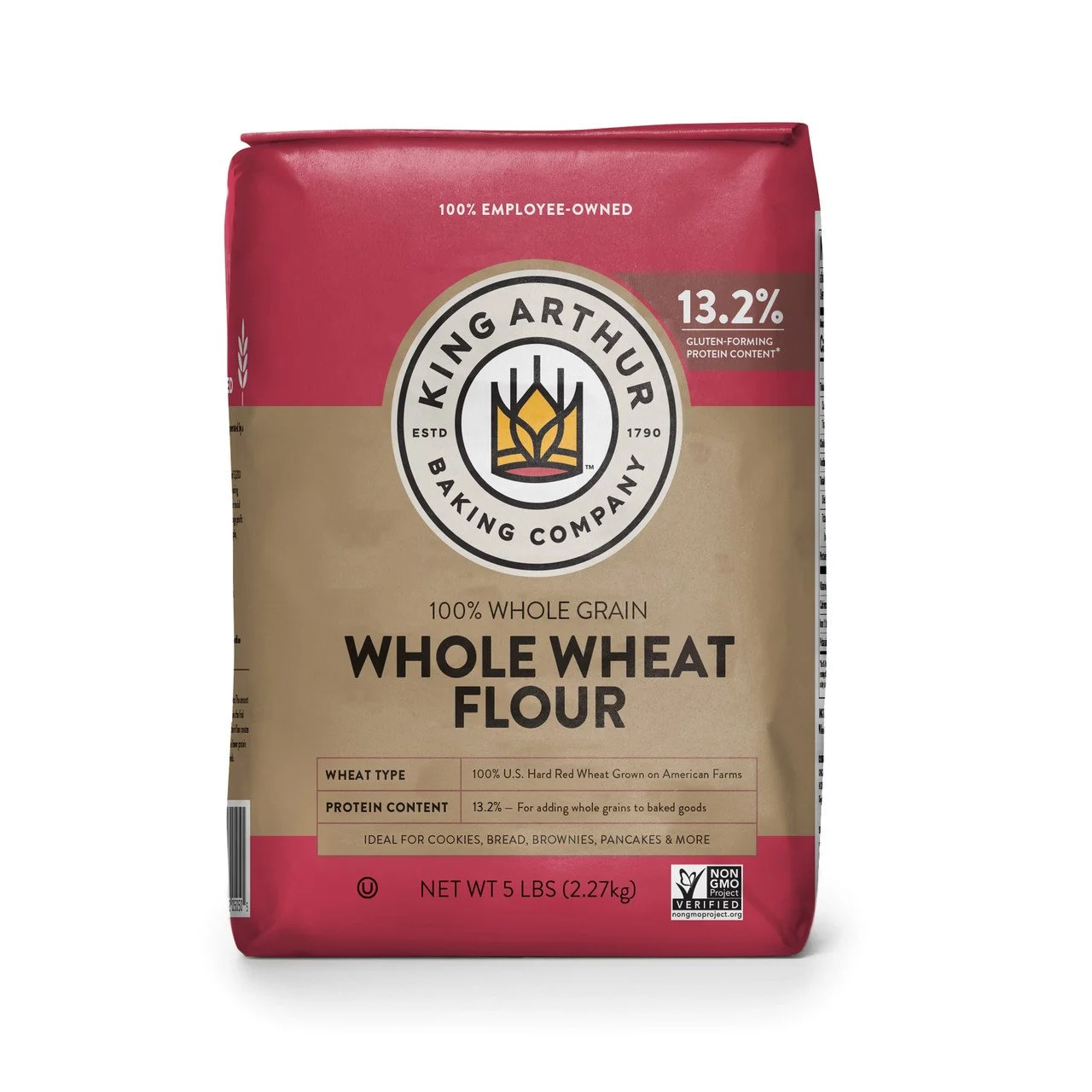
Adding whole grain flour to pizza is worth exploring — especially for crispy home oven pies. The color looks more serious, the flavor gets deeper, and the bottom browns more evenly. But it's easy to overshoot and end up with a flatbread.
How much to add:
5–10% — subtle boost in color and flavor, low risk, barely changes dough behavior
15–20% — noticeable whole grain taste, dough still behaves well with some care
Up to 30% max — above this, most doughs start spreading, tearing, losing gas, and baking flat
For rye specifically, keeping it at 10–20% is the safe zone. 30% is possible but you're choosing a denser, more bread-like result at that point.
Why whole grain and rye ferment faster: Bran particles cut through the gluten network physically, the extra minerals feed fermentation, and the dough loses structure sooner than you expect. The rule: less yeast, shorter warm phase, earlier into the fridge, and keep watching the dough. If it took off before the fridge, it'll keep rising in there too.
How to avoid the flatbread outcome:
Don't automatically raise hydration just because "whole grain absorbs more." It does absorb more, but structure is weaker — add water carefully and judge by feel.
Do 1–2 folds in the first hour. Helps significantly at 15–30% additions.
Don't leave it warm for long after mixing. Warm plus bran speeds up breakdown faster than you expect.
A quick decision algorithm
Step 1 — Decide your style Neapolitan hot and fast, or home oven crispy and longer?
Step 2 — Read what the bag gives you US: protein %. EU: type, W, and P/L if listed.
Step 3 — Match flour to your timeline:
Same day to 24h: all-purpose can work fine
24–48h cold: bread flour or W 260–300 range
48–72h cold: strong flour only, and only if your fridge is actually cold
Step 4 — Match flour to hydration:
Weaker flour stays happier in the low 60s
Strong flour handles mid to high 60s, sometimes 70%+ with good temperature management
Two examples so it clicks
Weak AP + high hydration + long cold fermentation 10% protein all-purpose, 70% hydration, 48h cold. Slack dough, sticky handling, tearing, sometimes odd sour notes, flat rim that never opens. Not a technique problem — a flour match problem.
High-gluten + short fermentation 14%+ flour, rushed timeline, you try to stretch before it's ready. It snaps back, fights you, you press harder, you degas it, it bakes dense and chewy. Same baker, wrong flour-to-timeline match.
Simple starting combos
Crispy pizza, low risk, nice color: 90% white flour + 10% rye
More whole grain, still real pizza: 80–85% white flour + 15–20% whole wheat pizza dough
Max whole grain before things get difficult: 70% white flour + 30% whole wheat — watch fermentation closely and avoid long timelines.
FAQ
What's the best flour for pizza dough at home? Bread flour for pizza dough is the most practical choice for most home bakers — it handles cold fermentation and higher hydration better than all-purpose, and browns well on a hot surface. Italian 00 flour works great too, especially for Neapolitan-style pizza, but check the W value if it's listed — 00 alone doesn't tell you much about strength.
Can I use all-purpose flour for pizza dough? Yes, especially for same-day or short-timeline pizza. Pick the strongest all-purpose you can find (11%+ protein) and don't push it into long cold fermentation at high hydration — it's not built for that combination.
What's the difference between 00 flour and bread flour for pizza? 00 refers to refinement level — how finely milled the flour is. Bread flour refers to protein content and strength. They can overlap (some 00 flours are also high-strength), but they describe different things. For pizza, ideally you want both: a finely milled, strong flour handles fermentation and stretching better than either category alone.
Does whole wheat flour work for pizza dough? Yes, but blended with white flour — not used alone. Whole wheat ferments faster and weakens gluten more quickly. Keep it at 15–20% of total flour and shorten your fermentation window. Above 30%, most doughs start losing structure and baking flat.
Why does my flour say 12% protein but the dough still feels weak? Protein percentage doesn't guarantee strength — gluten quality varies between wheat varieties even at the same number. Signs of a flour weaker than its label suggests: dough spreads fast during proofing, won't hold a ball shape, tears like wet fabric. Fix: drop hydration slightly, shorten fermentation, or blend in 20–40% stronger bread flour.
