
Pizza dough not rising? Here's why — and how to fix It
Your pizza dough isn't rising. You followed the recipe. You waited. Nothing.
Before you blame the flour or start over, know this: pizza dough not rising is almost never a recipe problem. It's a process problem. And process problems have specific causes — which means they have specific fixes.
Here's how to figure out which one you're dealing with.
Why pizza dough doesn't rise: the short version
Dough rises because yeast produces gas. No gas — no rise. That happens when the yeast is dead or weak, the environment is too cold, or you're misreading which fermentation stage you're actually in.
That last one is where most people get stuck. There are three separate stages — bulk, cold maturation, and proofing — and each one does something different. Rush or skip any of them, and the dough stays flat.
What "not rising" actually looks like
Before fixing anything, make sure you're diagnosing the right problem.
Signs of underproofed dough:
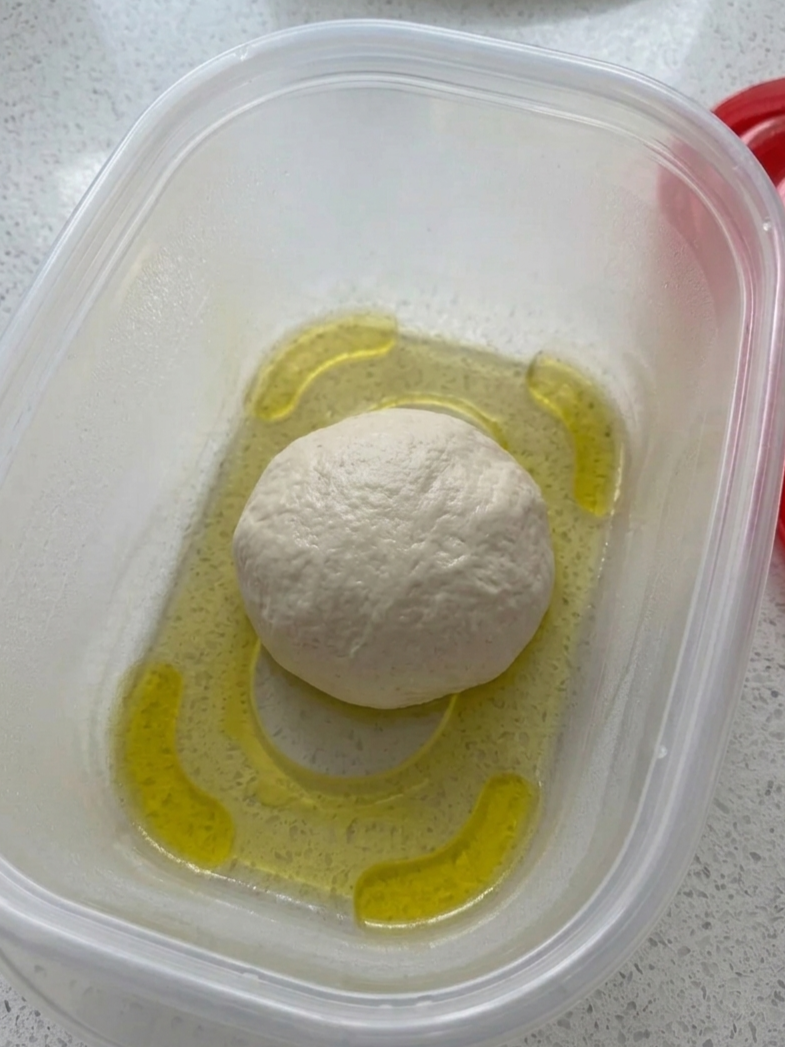
tight, smooth ball with no bubbles visible through the container
snaps back when you poke it
feels dense and heavy, not airy
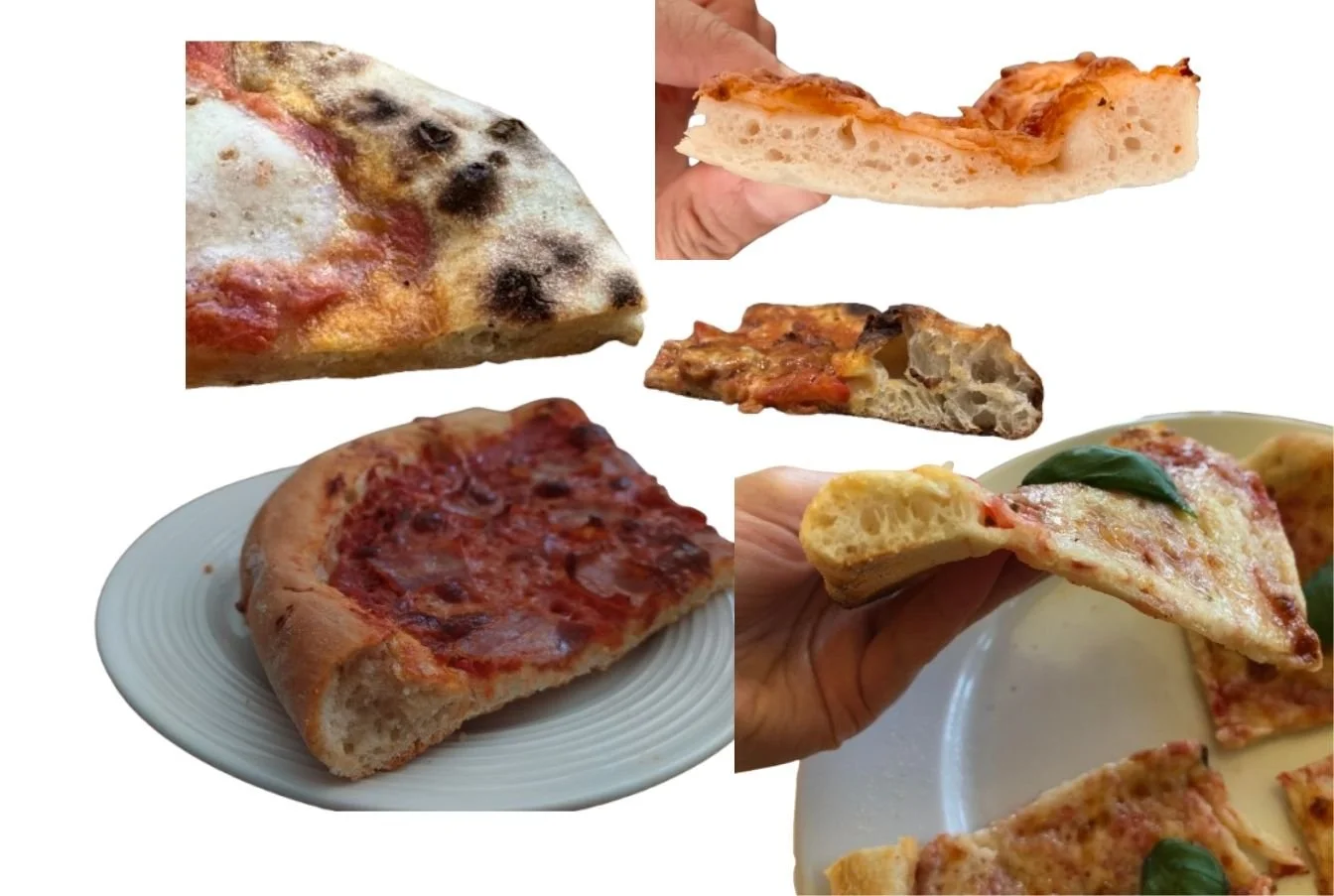
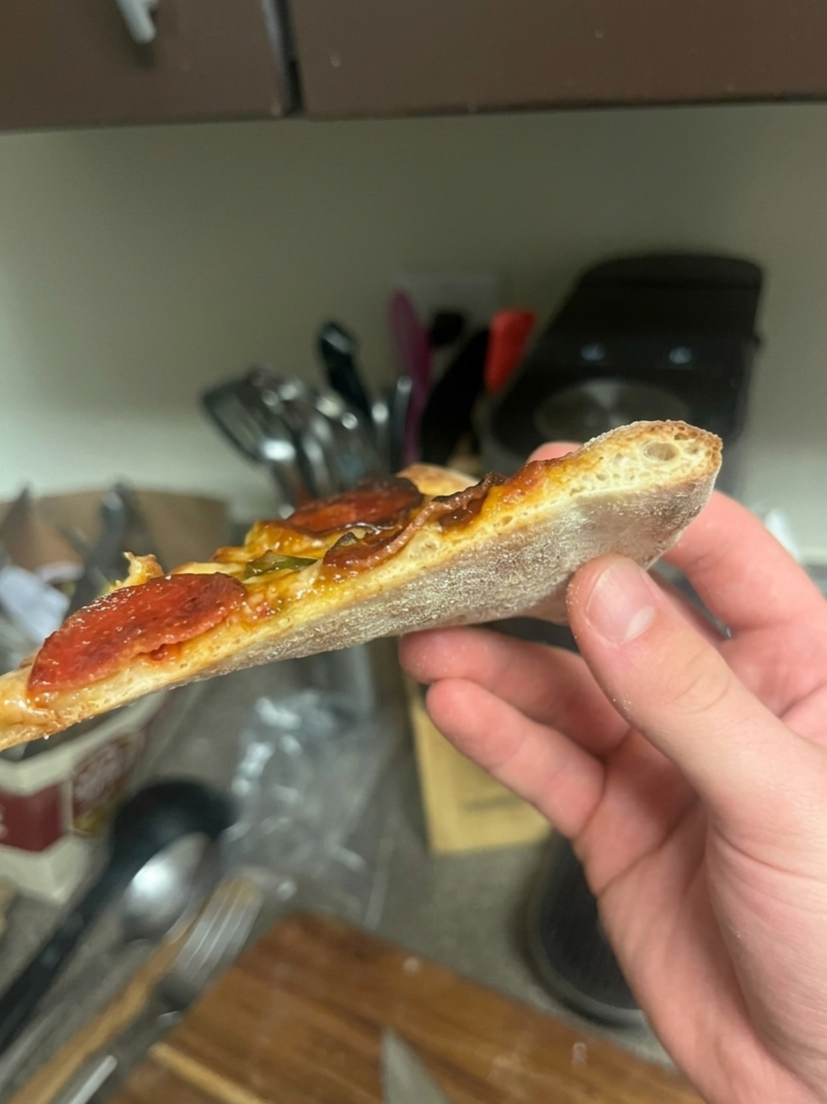
bakes into a flat, gray, rubbery crust with tiny even holes
rim barely inflates in the oven
If this is what you're seeing — keep reading.
If you want to bake pizza your family will actually ask for again — I'm opening a live online workshop in 2026. We go deep on how everything works: fermentation, flour, dough behavior, heat. You'll understand the process well enough to bake your favorite pizza style consistently, in your own oven. Join the waitlist →
Want the full details first? See the full Online Pizza Workshop for Home Ovens
7 reasons your pizza dough isn't rising
1. Your yeast is dead or expired
The most common cause. Yeast has a shelf life, and it dies from:
being stored too long after opening
contact with water that's too hot (above 43°C / 110°F kills it)
direct contact with salt during mixing before it has time to dissolve
How to test it: dissolve a small amount of yeast in warm water — around 38°C / 100°F — with a pinch of sugar. Wait 10 minutes. No foam means no life. Get fresh yeast and start again.
2. Your kitchen is too cold
Fermentation is temperature-sensitive. Warmer kitchen equals faster rise. Cooler kitchen equals slower rise. This is just physics.
Here's a real example: a pizzaiolo on YouTube says "leave it 2 hours." His kitchen runs at 40°C (104°F). Yours is at 20°C (68°F). His dough takes off fast — yours barely moves. You copy his timer and pull a brick out of the oven.
"2 hours" is what worked in his conditions. Not yours.
If your kitchen is cold, try this:
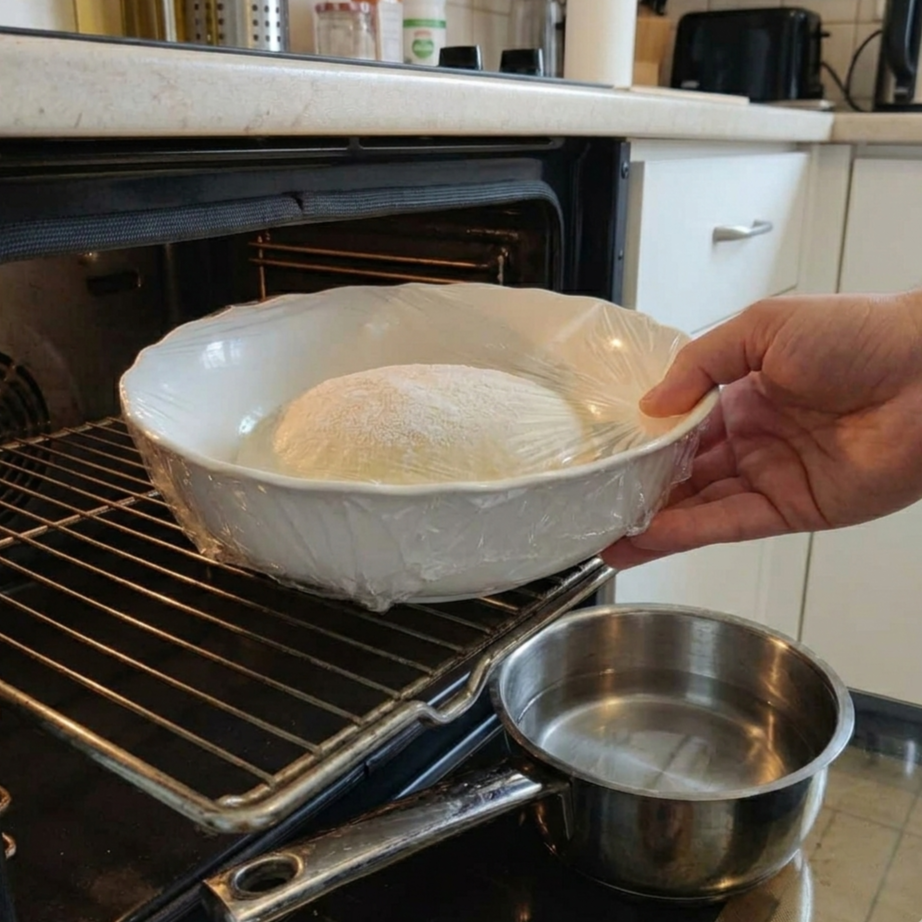
put the dough in the oven with just the light on
place a mug of boiling water next to it (door closed)
set the dough bowl inside a larger bowl of warm water
buy a proofing box if you're tired of guessing
3. You're watching the wrong fermentation stage
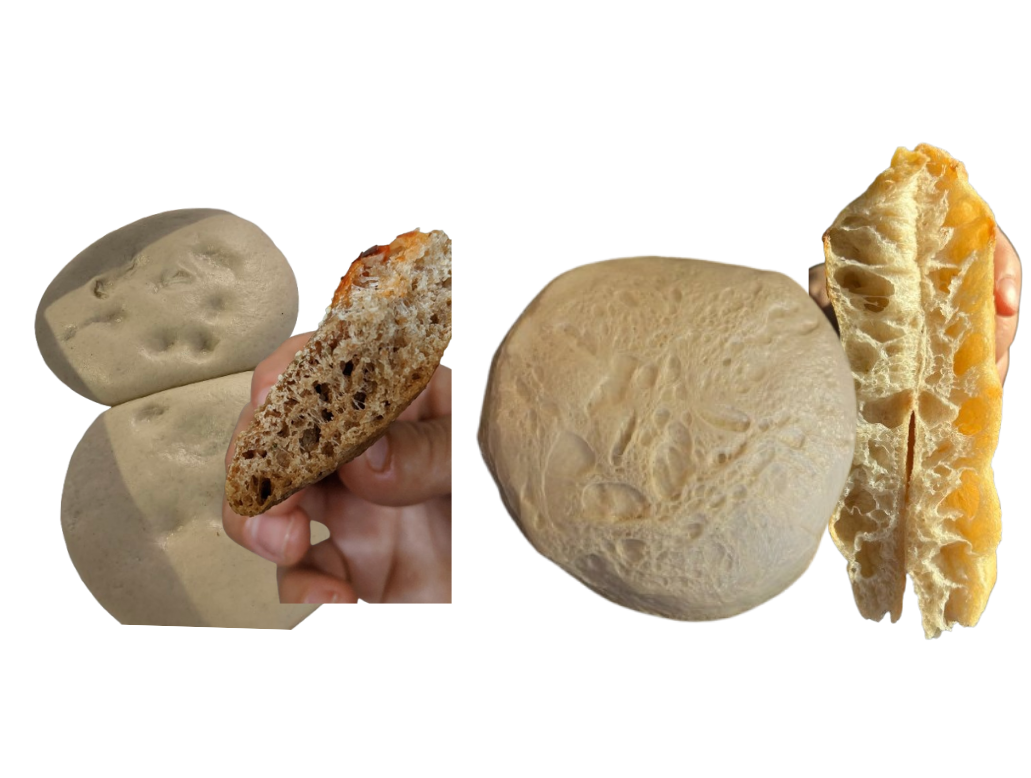
Before: I’d “wait more” and hope.
Now: I check bubbles + feel and I know.
Most people treat fermentation like one long stretch of waiting. "Leave it for X hours." That's exactly how you end up confused about why nothing happened.
There are three stages — and each one has a different job:
Bulk (~1 hour at room temperature) — the wake-up stage. Not "double in size." You're looking for small bubbles, dough that feels less raw, some looseness. Do 1–2 folds and watch for early signs of life.
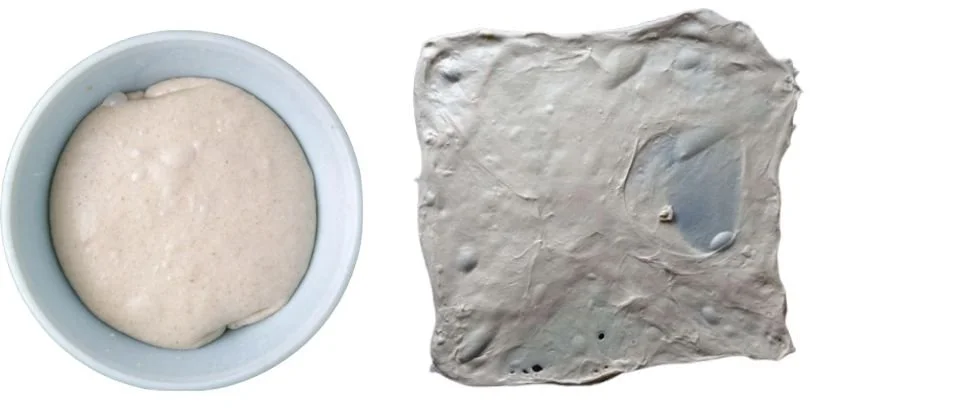
Cold maturation (fridge) — flavor and texture develop here. The fridge does not make dough rise. Cold slows everything down. If the dough didn't wake up during bulk, putting it in the fridge won't rescue it.
Proofing — this is where the dough balls actually get lighter and puffier before baking. Most people either skip this or cut it short.
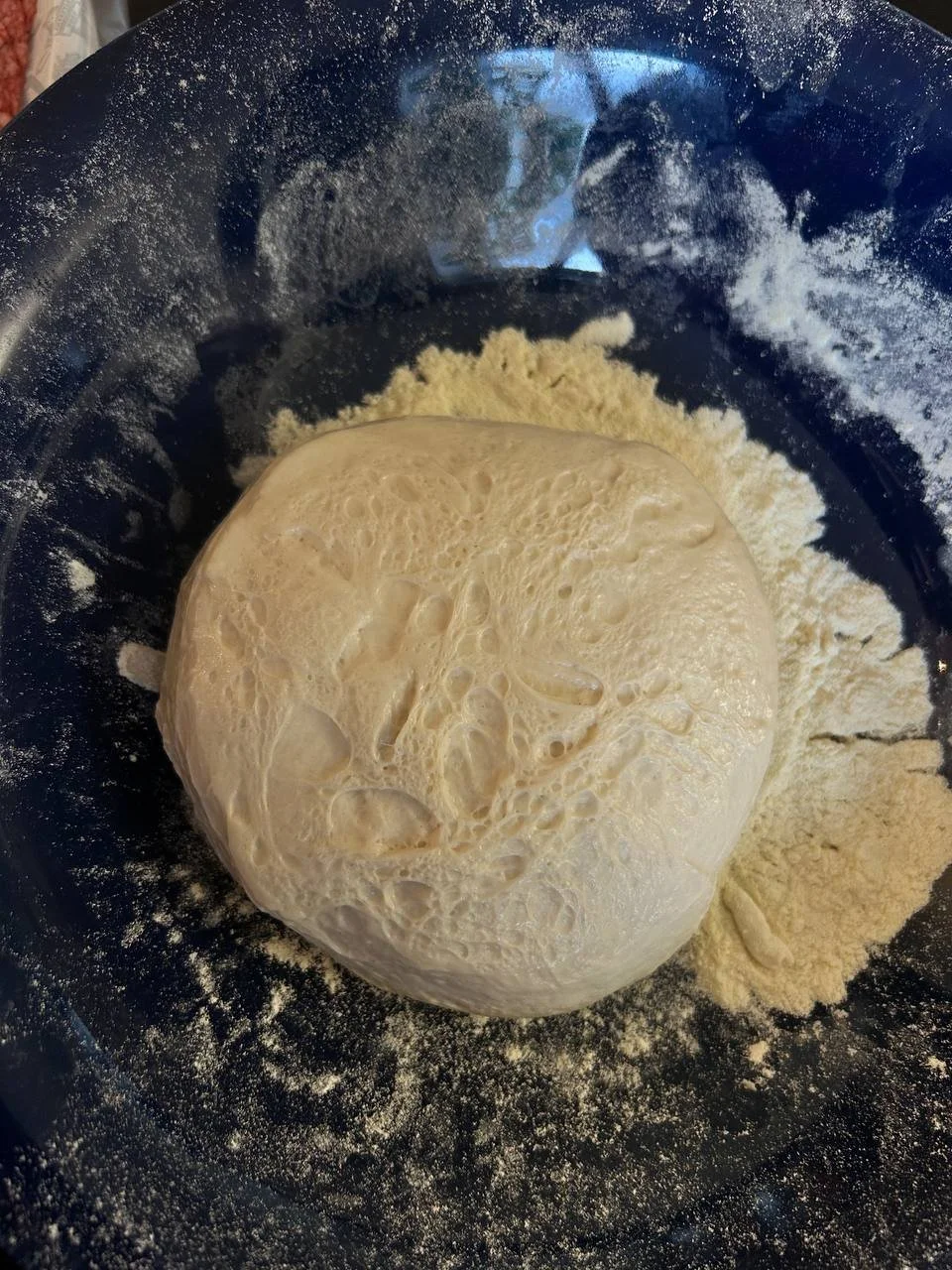
The rule is simple: if bulk never wakes up, proofing won't fix it.
4. Your starter, poolish, or biga is weak
If you're using a natural leavening agent instead of commercial yeast, it has to be active. A tired or underfed starter looks fine — it just doesn't perform.
When the leavening fails, the result is a crumb that's dense, heavy, and completely uniform. No random holes, no oven spring, no life.
How to check: mix a small amount of your starter with flour and water. Leave it at room temperature. If nothing happens in 4–8 hours, the starter is the problem — not the recipe.
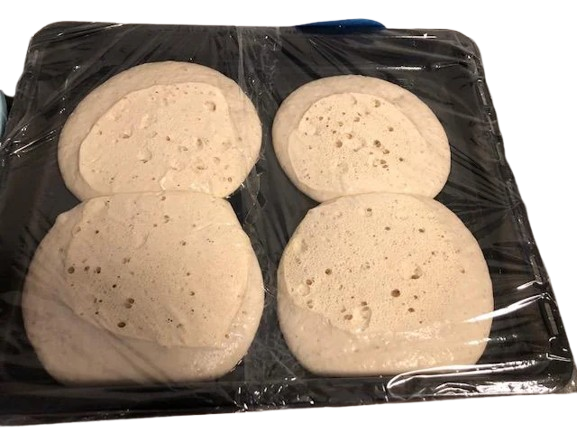
5. Too much yeast — and it burned out early
More yeast means faster fermentation. But if fermentation races too fast during bulk, the dough runs out of steam before it reaches the oven. By proofing time, it's already past its window.
Signs of over-fermented dough:
sticky, smears when you handle it
tears when you try to stretch it
pale crust that won't brown
no crispness on the bottom
If the dough already blew up during bulk, the fridge will slow it down but won't stop it. The only way to rescue it: press the gas out, re-ball, put it back.
For reference — I use 2.5 g of fresh cake yeast per 1 kg of flour in winter and drop to 1.5 g in summer. (Fresh cake yeast and instant yeast are not interchangeable — the amounts are completely different.)
6. You're reading the clock, not the dough
Recipe timings mean nothing without knowing what "ready" actually looks like. A timer tells you how long something sat. The dough tells you what actually happened.
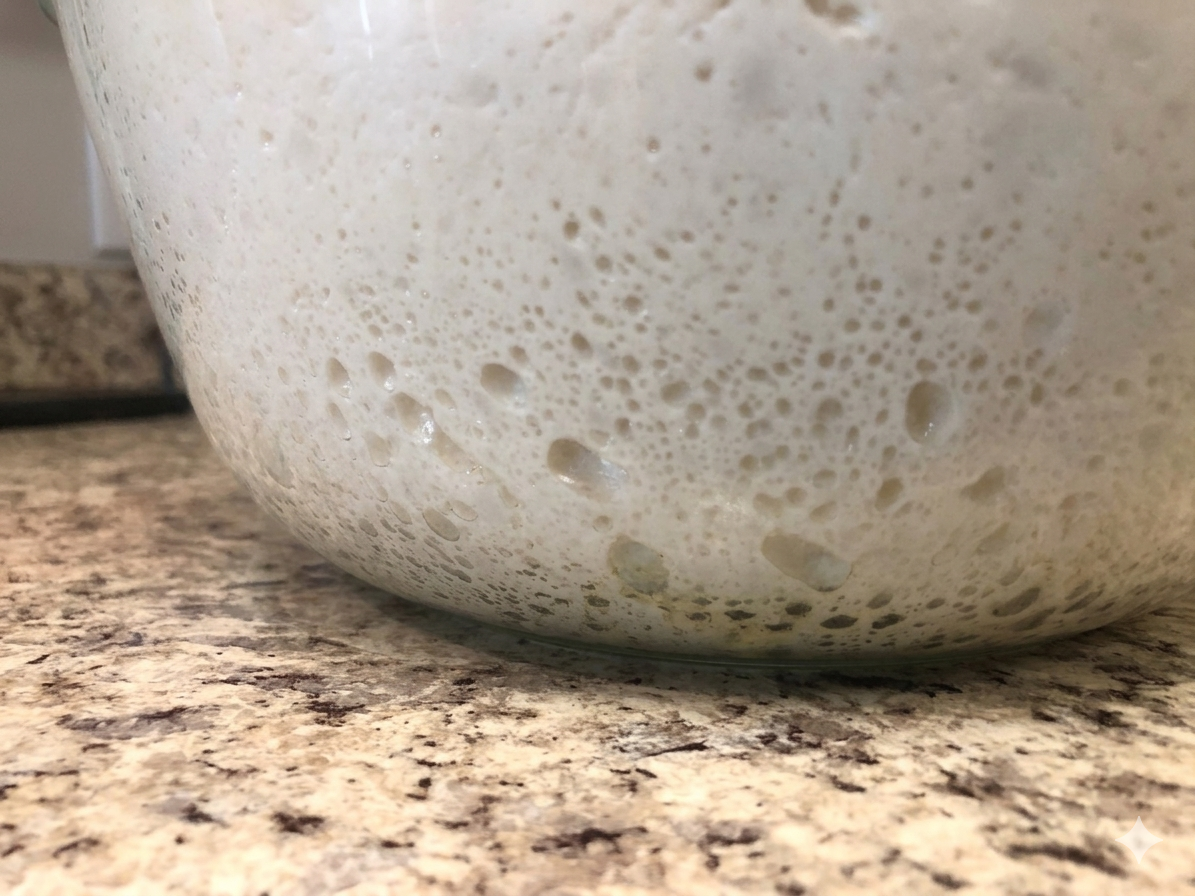
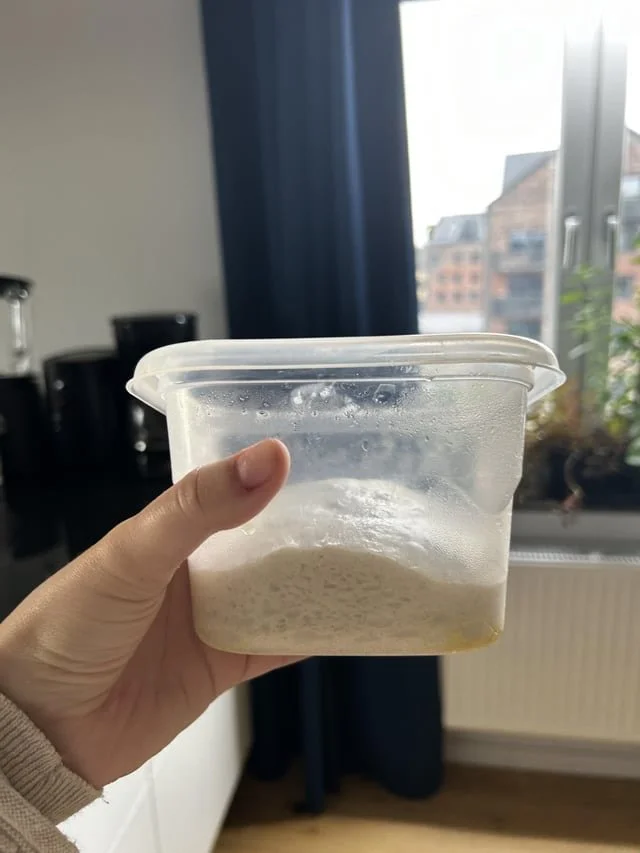
Put the dough in a clear container — it's like turning the lights on. You can watch the volume, see bubbles through the sides, and track what's happening in real time.
The 5 cues that actually matter — in order:
Volume — it should grow visibly.
Bubbles — look through the sides of the container. You want air pockets.
Touch — press gently. Ready dough gives like an air mattress, then slowly springs back.
Jiggle — shake the container. Ready dough moves.
Sound — tap the dough ball. Underproofed dough sounds flat and solid. Gassy dough sounds hollow — like tapping a ripe watermelon. Strange trick. Works every time.
7. The dough is proofed — but still bakes flat
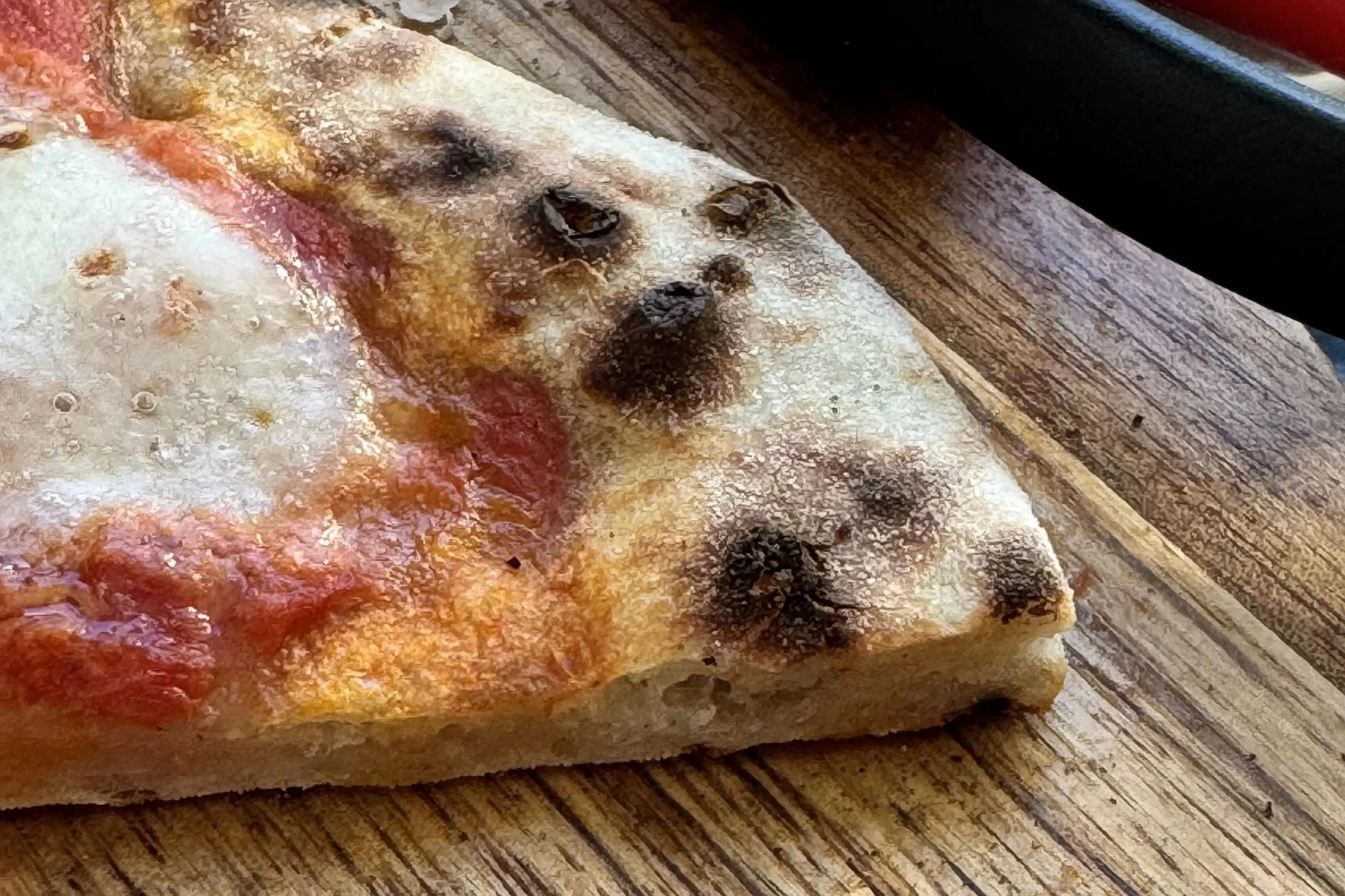
Sometimes fermentation is fine and the dough still bakes dense. In that case, look elsewhere.
Too much bench flour. Shaping in a cloud of flour means rubbing dry flour into the dough skin. It won't expand properly. Signs: pale dusty bottom, dry texture, dull rim.
Hydration too low. For a home oven, going below 63% hydration with most flours starts producing something that eats more like bread than pizza. A safe range for home baking: 63–65%.
Stone or steel not hot enough. If the baking surface isn't up to temperature, the dough sets before it has a chance to spring. Slow bake equals tight crumb and no bubbles.
Base stretched too thick. Open the dough too small for its weight and you're baking a bread disc, not a pizza.
Dough never relaxed. Tight ball plus underproofed plus opened cold — it fights you. You press harder, you crush the gas, you get a dense rim.
How to tell your pizza dough is actually ready
A clear container makes everything easier — you can see what's happening without touching anything. Watch for bubbles through the sides, track the volume, notice how the surface looks.
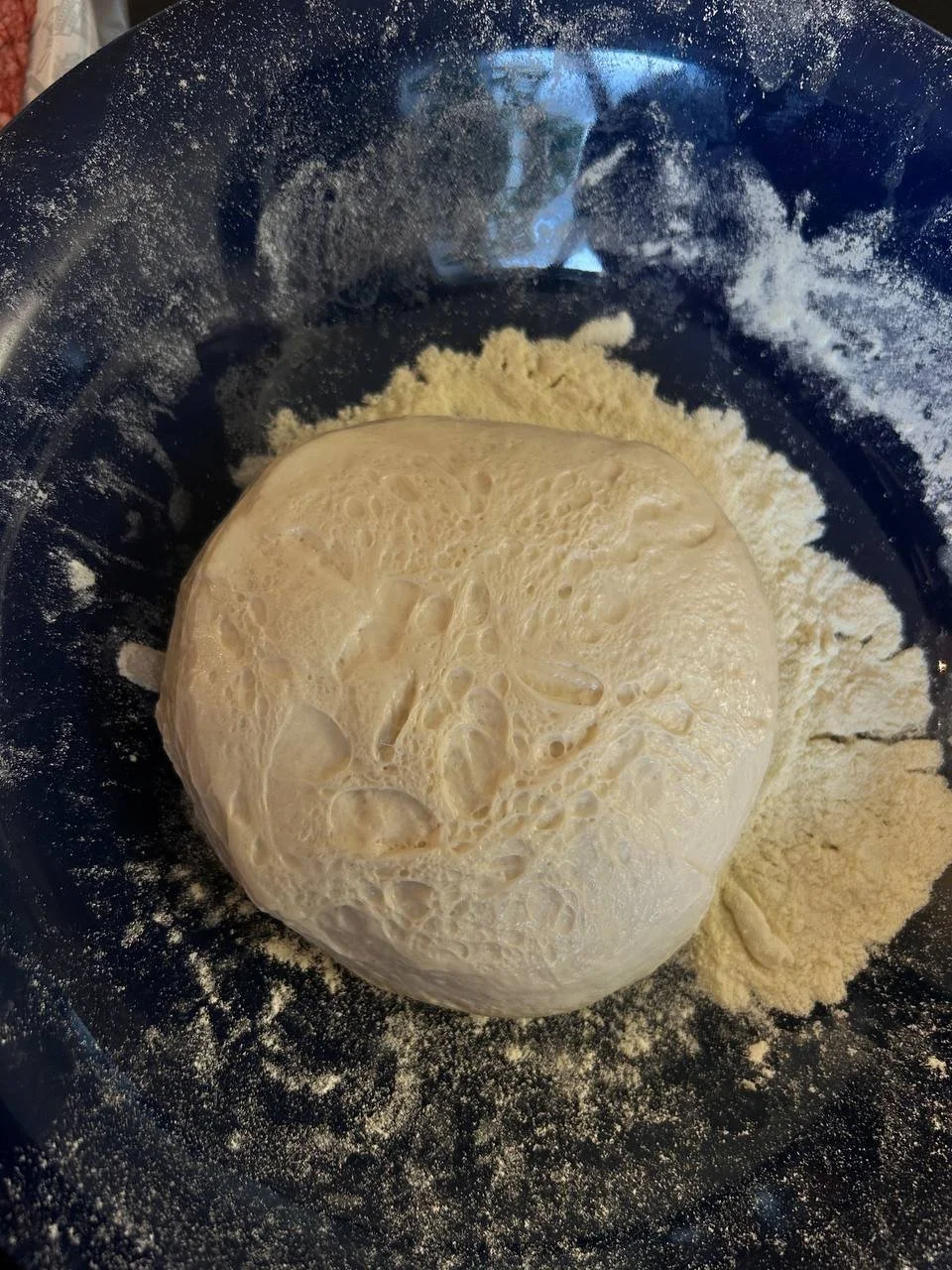
Ready dough:
has visible bubbles
feels soft and slightly airy when you press it
jiggles when you move the container
smells alive — not raw flour, not harsh sour
Not-ready dough:
looks smooth and tight, like a rubber ball
snaps back when you poke it
sounds flat when you tap it
shows no visible gas activity
The real fix: understand the process, not just the recipe
Random results usually come from process variables — temperature, timing, yeast amount — not from bad recipes.
Once you learn to read the dough instead of the clock, things get consistent. Not perfect every time immediately, but consistent. You know what went wrong, you know which lever to adjust, and you fix it next bake.
Pick one cause from this list. Apply one fix. Change one variable. Keep everything else the same. That's the fastest way to find out what's actually going on with your dough.
FAQ
Why is my pizza dough not rising in the fridge? Because cold slows fermentation significantly — it doesn't stop it, but it's very slow. Cold maturation is for flavor and texture development, not for making dough rise. Your dough should have already shown signs of life during bulk at room temperature before going into the fridge.
Can I still use pizza dough that didn't rise? Yes, but the crust will be dense, flat, and grayish inside. It's worth troubleshooting first. If the yeast is dead, start a new batch. If the dough is just cold, give it more warmth and time before writing it off.
How long should pizza dough take to rise? There's no universal answer — it depends on temperature, yeast amount, and flour type. At room temperature around 22°C / 72°F, bulk typically takes 1–2 hours. A more useful question: what does the dough look like?
Does pizza dough need to double in size? Not during bulk — that's a bread baking rule, not pizza. For pizza, you're looking for early signs of activity: some bubbles, slight looseness, dough that feels less raw. Doubling during bulk usually means you've overshot fermentation.
What if my sourdough pizza dough isn't rising? Sourdough takes longer than commercial yeast — sometimes 8+ hours at room temperature. If nothing happens after that, the starter is likely weak or inactive. Feed it consistently until it reliably doubles on its own schedule, then try the dough again.
