
Can You Really Make Pizza at Home Taste Like a Pizzeria? Yes — Here’s How
I once trained at a well-known pizzeria. The head chef told me something I never forgot: "You'll never make pizza at home like we do in a restaurant."
I didn't believe him then. I still don't now.
The idea that pizzeria-quality pizza requires a wood-fired oven and professional equipment is one of the most persistent myths in home cooking. With the right process, homemade pizza dough can taste just as good as what you'd get at a restaurant — and sometimes better. The difference comes down to a handful of things most home cooks never think about.

The fermentation secret most recipes skip
The single biggest gap between homemade pizza and pizzeria pizza isn't equipment. It's time.
Most home recipes tell you to ferment the dough for 3–6 hours, maybe overnight. That's not long enough to develop real flavor. I ferment my dough for 24–48 hours in the fridge, and the difference is significant.
At 24 hours, the crust is good — noticeably better than same-day dough. At 48 hours, the flavor shifts entirely. It gets deeper, more layered, with a subtle tang and aroma that short fermentation simply can't produce. That complexity is what makes restaurant pizza taste like more than just bread with toppings.
If you want to close the gap between home pizza and pizzeria pizza, longer fermentation is where to start.
If you want to bake pizza your family will actually ask for again — I'm opening a live online workshop in May 2026. We go deep on how everything works: fermentation, flour, dough behavior, heat. You'll understand the process well enough to bake your favorite pizza style consistently, in your own oven. Join the waitlist →
Want the full details first? See the full Online Pizza Workshop for Home Ovens

Better ingredients than most restaurants actually use
Many pizzerias don't use great ingredients. They buy in bulk — cheap cheese that barely melts, canned tomatoes that taste flat, flour chosen for cost rather than performance. Volume and consistency matter more than quality at scale.
At home, you control every ingredient.
Tomatoes with actual flavor — San Marzano or good quality crushed tomatoes make a noticeable difference in the sauce.
Cheese that melts and stretches properly — fresh mozzarella or good low-moisture mozzarella, not the rubbery pre-shredded kind.
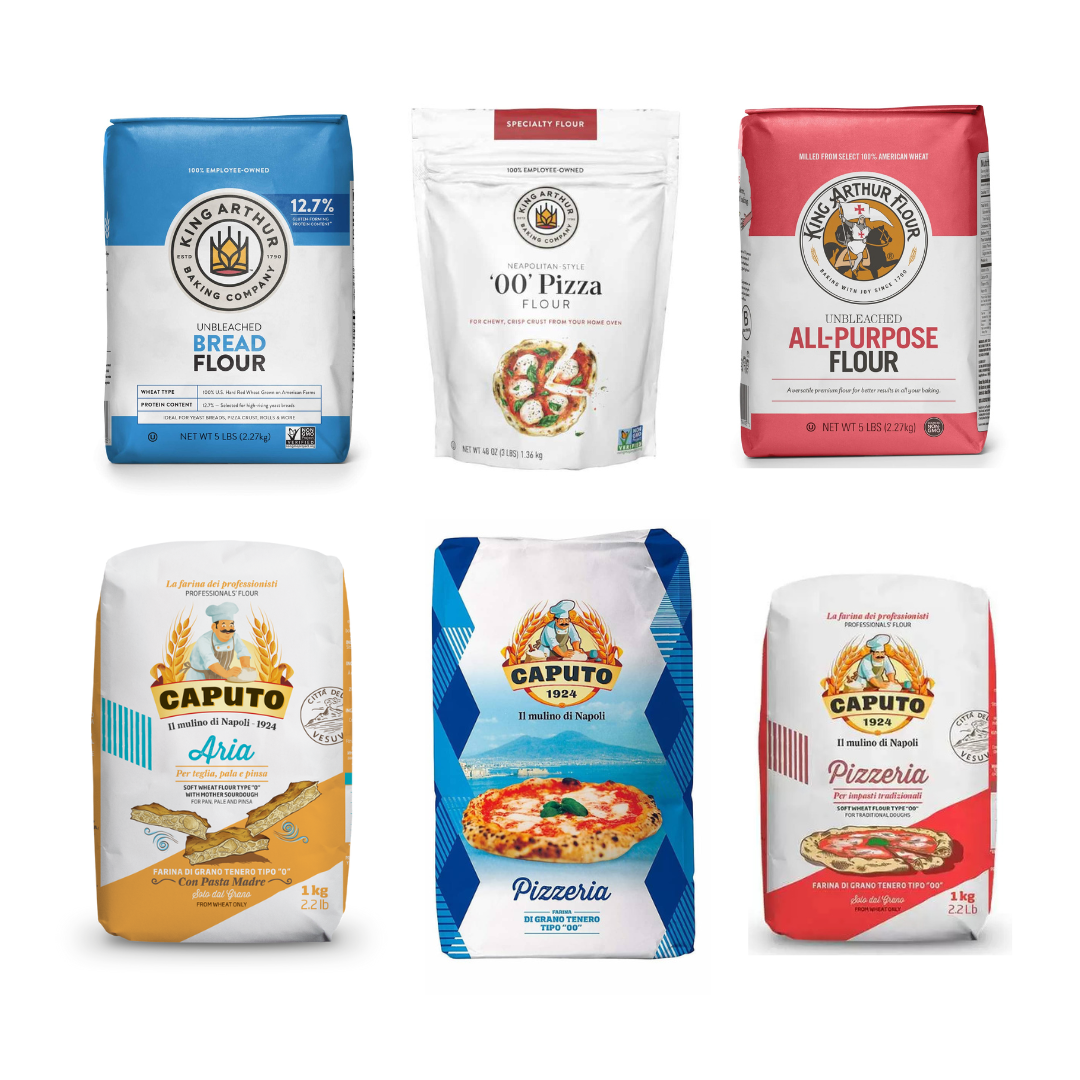
Strong flour — 00 flour or bread flour at around 65–80% hydration gives the dough the structure it needs for a proper crust.
This is one area where home pizza genuinely has an advantage. You're not constrained by bulk purchasing or food cost percentages. You can spend a little more on ingredients that actually taste like something.

Flavor pairings that change the whole experience
One of the best meals I've had at a restaurant was a mushroom truffle pizza — deep, rich, complex in a way I couldn't quite explain. When I asked about it later, the answer was simple: a powder made from dried wild mushrooms, blended into a creamy base. One small detail that completely transformed the flavor.
I replicated the idea at home and it worked immediately. The pizza tasted like something you'd pay serious money for.
This is the principle behind a book called The Flavor Bible — it maps which ingredients work well together based on how professional chefs actually combine flavors. I use it when I want to go beyond tomato and cheese and build something more intentional. It's not just for pizza, but it's particularly useful for toppings and sauce combinations.
The point isn't to follow recipes more carefully. It's to understand why certain combinations work, so you can make those decisions yourself.
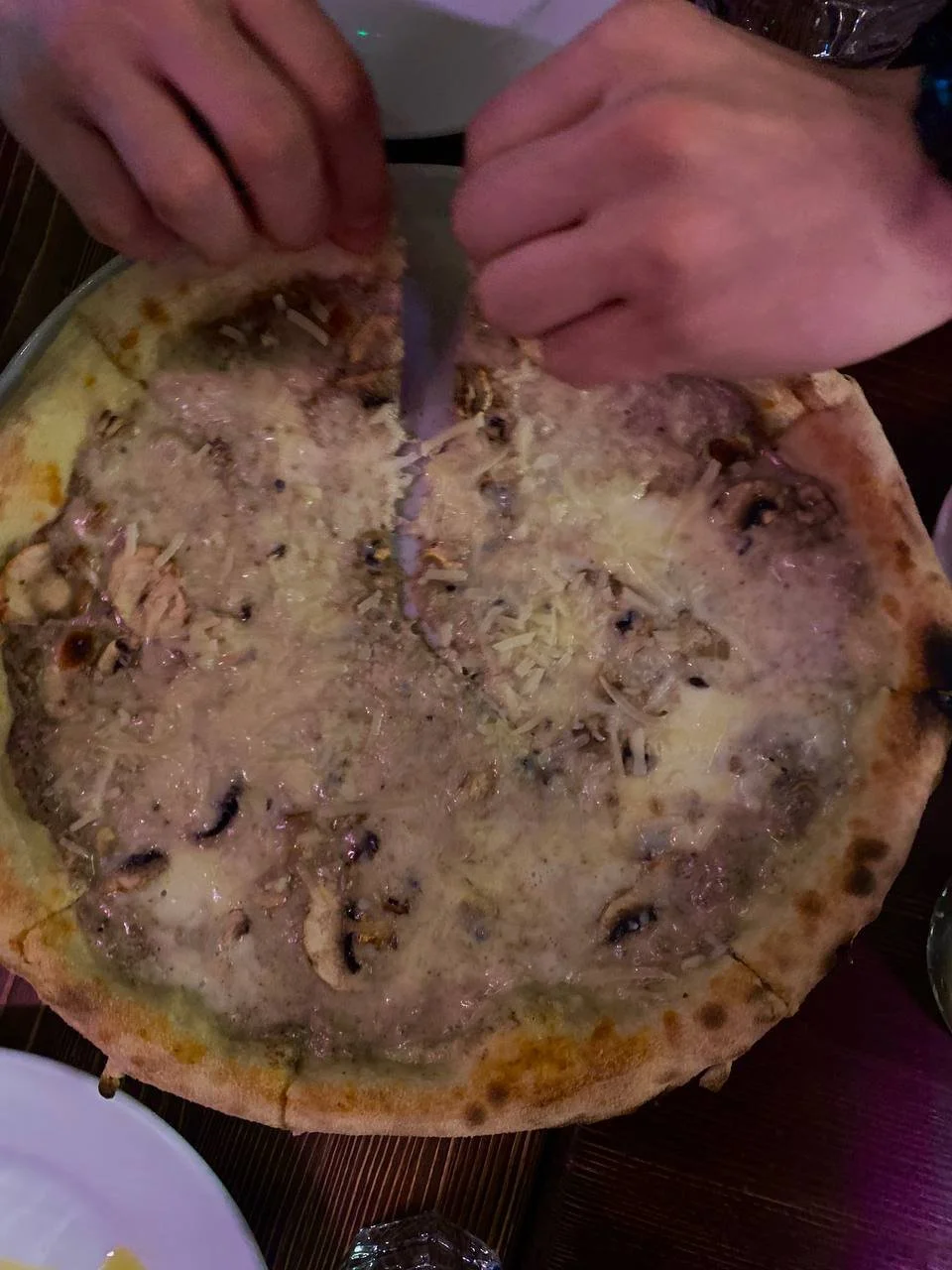
that mushrooms pizza

my homemade babies
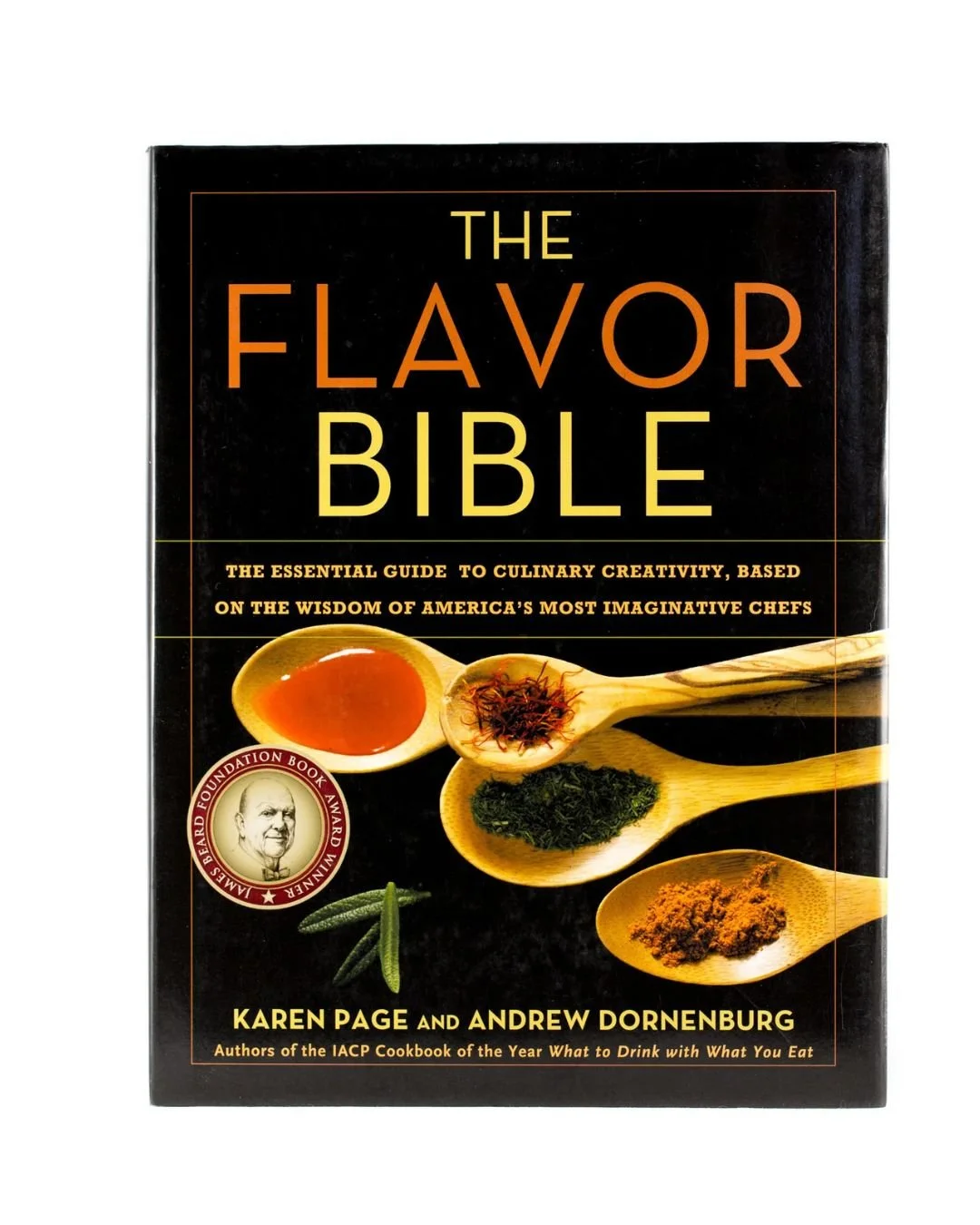
the book :)
Why sourdough makes a real difference
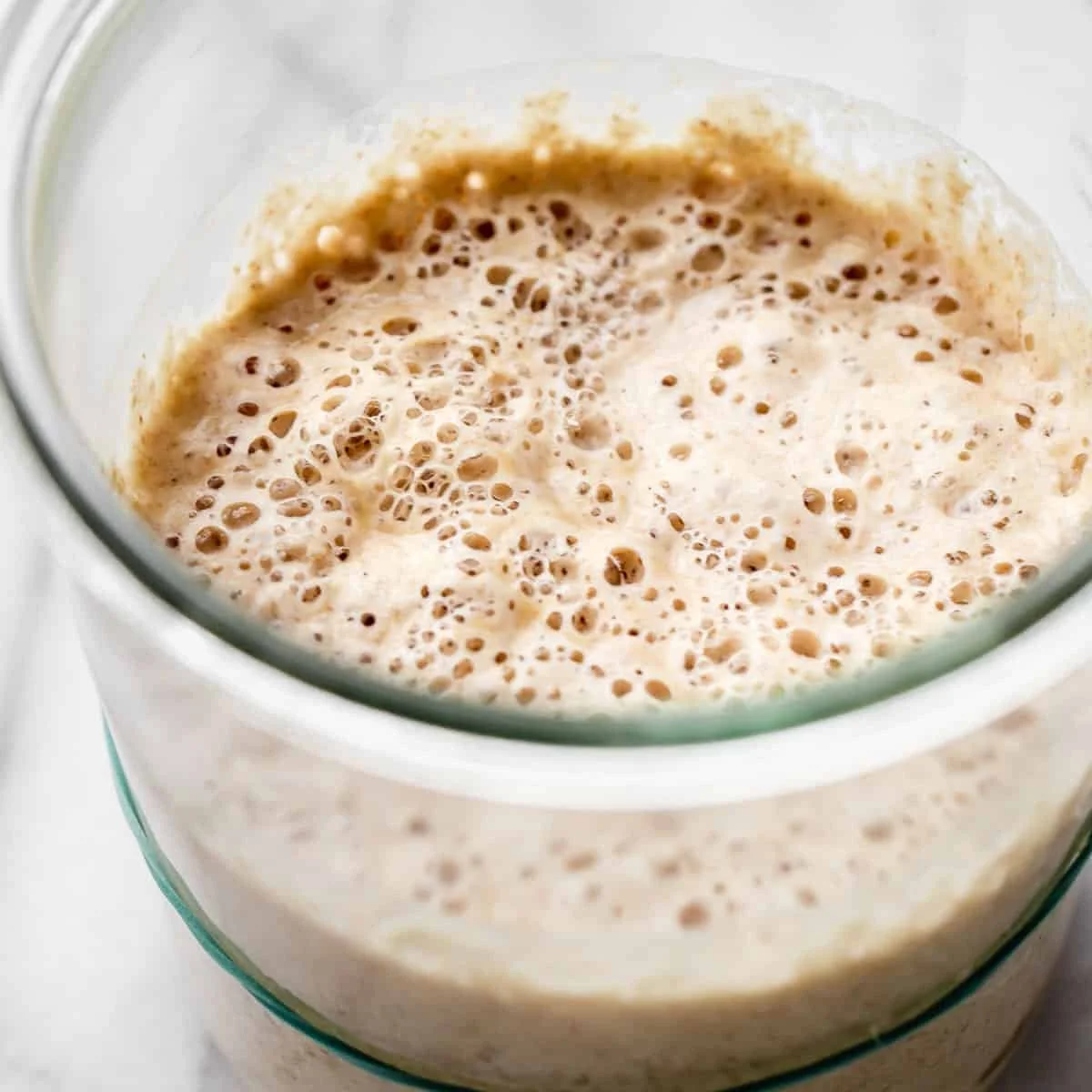
Another pizza dough secret worth knowing: using a sourdough starter alongside commercial yeast adds a dimension of flavor that's hard to get any other way.
A starter is just flour and water — live yeast and bacteria that develop naturally over time. When you incorporate it into pizza dough, it contributes complexity, a light tang, and a depth that commercial yeast alone doesn't produce. The fermentation is also gentler on digestion, which is why many people find sourdough-based bread easier on the stomach.
I don't use sourdough every time. But when I do, the difference in the finished crust is clear — it tastes fuller, more developed, more interesting.
You don't need to commit to pure sourdough pizza to get the benefit. Even adding a small amount of active starter alongside instant yeast makes a noticeable difference in flavor.
The foundation everything else builds on
All of the above assumes you have the basics right. Without these, nothing else matters much.
Flour. Strong flour — 00 or bread flour — handles higher hydration and longer fermentation without losing structure. All-purpose flour can work for short fermentations at lower hydration, but it struggles with the conditions that produce the best results.
Hydration. Somewhere between 65–80% water to flour by weight. Lower hydration is easier to handle and produces a crispier result. Higher hydration gives a more open, airy crumb but requires more technique to work with.
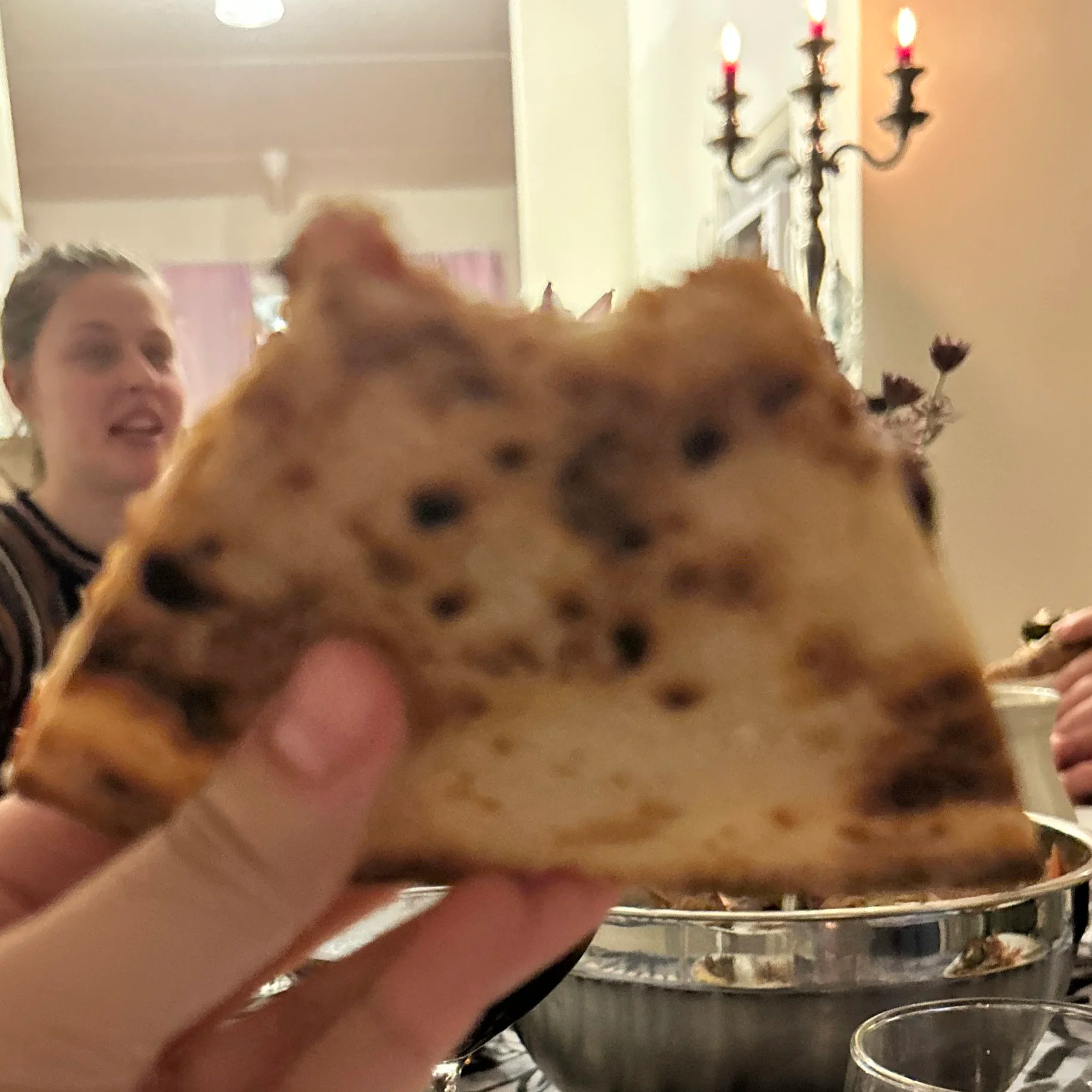
Heat. This is the one most home bakers underestimate. A home oven on its own, even at maximum temperature, produces mediocre results if you're baking on a bare rack or thin pan. A pizza steel or stone, preheated for at least 60 minutes, changes the bottom of the crust completely — crisp instead of pale and soft. If you don't have either, a heavy cast iron pan preheated in the oven is a workable alternative.
Get these three right and you have a foundation that makes everything else possible.
What actually separates pizzeria pizza from home pizza
The chef at that pizzeria wasn't entirely wrong. There are real differences — oven temperatures that go far beyond what a home oven can reach, years of muscle memory in shaping and launching, volume that keeps ingredients constantly fresh.
But those differences are narrower than most people assume. The gap comes almost entirely from process, not equipment. Long fermentation, quality ingredients, proper heat, and a basic understanding of why things work the way they do — these close most of the distance.
You don't need a restaurant kitchen. You need the same knowledge the restaurant uses, applied at home.
FAQ
What is the secret to good pizza dough? Long cold fermentation is the biggest single factor. Most home recipes don't ferment long enough to develop real flavor. 24–48 hours in the fridge, with a small amount of yeast, produces a crust with significantly more depth and complexity than same-day dough.
What flour makes the best homemade pizza dough? 00 flour or bread flour. Both have higher protein content than all-purpose, which supports the gluten structure needed for good stretch and texture. 00 flour produces a slightly softer, more tender result; bread flour gives a chewier crust with more structure.
Does sourdough make better pizza dough? It adds flavor complexity that commercial yeast can't fully replicate — a light tang, more depth, and a more interesting crust. You don't need to go fully sourdough to get the benefit; adding active starter alongside commercial yeast makes a noticeable difference.
How do you make homemade pizza taste like a restaurant? The combination that works: long cold fermentation (24–48 hours), good quality ingredients, a properly preheated pizza steel or stone, and hydration around 65–75%. Most of the difference between home pizza and restaurant pizza comes from fermentation time and heat, not equipment.
Why does my homemade pizza taste bland? Almost always fermentation time. Short fermentation produces dough that tastes like flour — it hasn't had enough time to develop flavor. Try 24 hours minimum in the fridge, reduce yeast slightly so it doesn't overferment, and use good quality tomatoes and cheese. Those three changes alone make a substantial difference.
