
If your sourdough bread or pizza often turns out dense or heavy, or doesn’t rise as much as you’d like, dough lamination can help.
You may have seen bakers stretch dough across a wet table until it becomes a huge, almost transparent sheet. It looks dramatic, but there’s a practical reason for doing it. Lamination makes the dough stronger and helps it hold more of the gas produced during fermentation. The bread can rise better and develop a lighter, airier crumb.
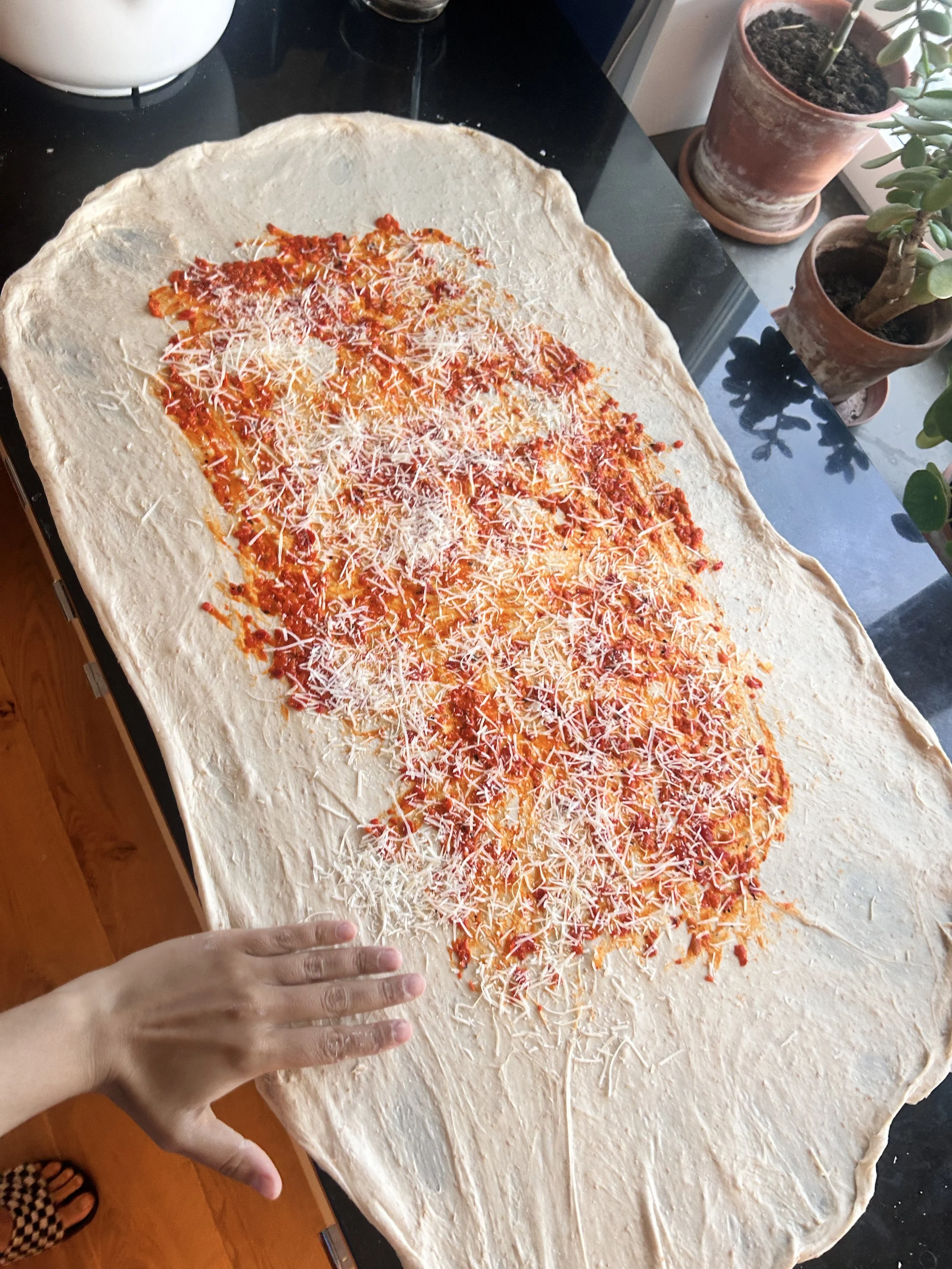
What Is Dough Lamination?
Dough lamination is usually done about 30–50 minutes after fermentation begins.
You can only start doing this after you have initially kneaded the dough and it has become fairly cohesive and stopped falling apart into pieces.
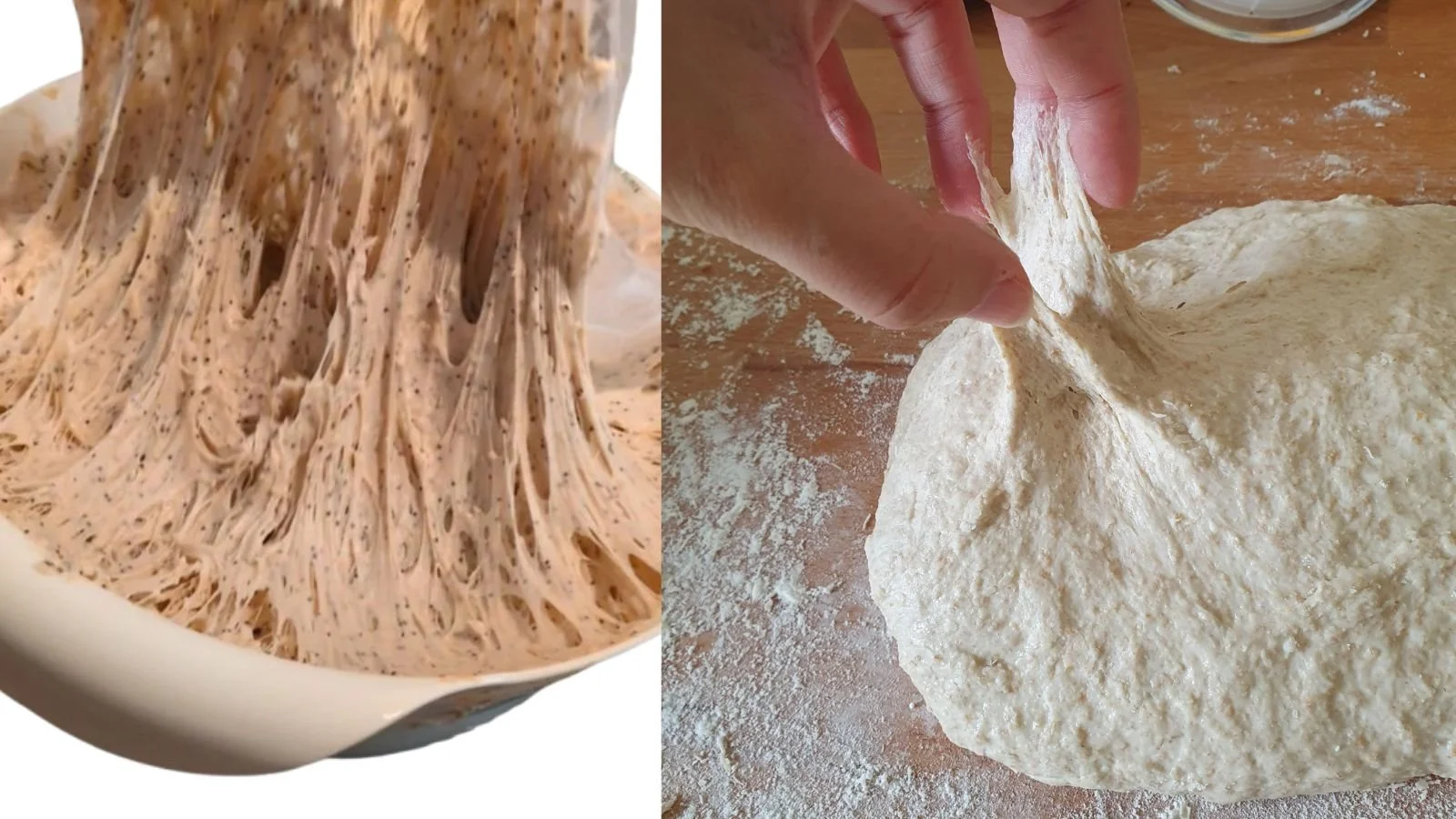
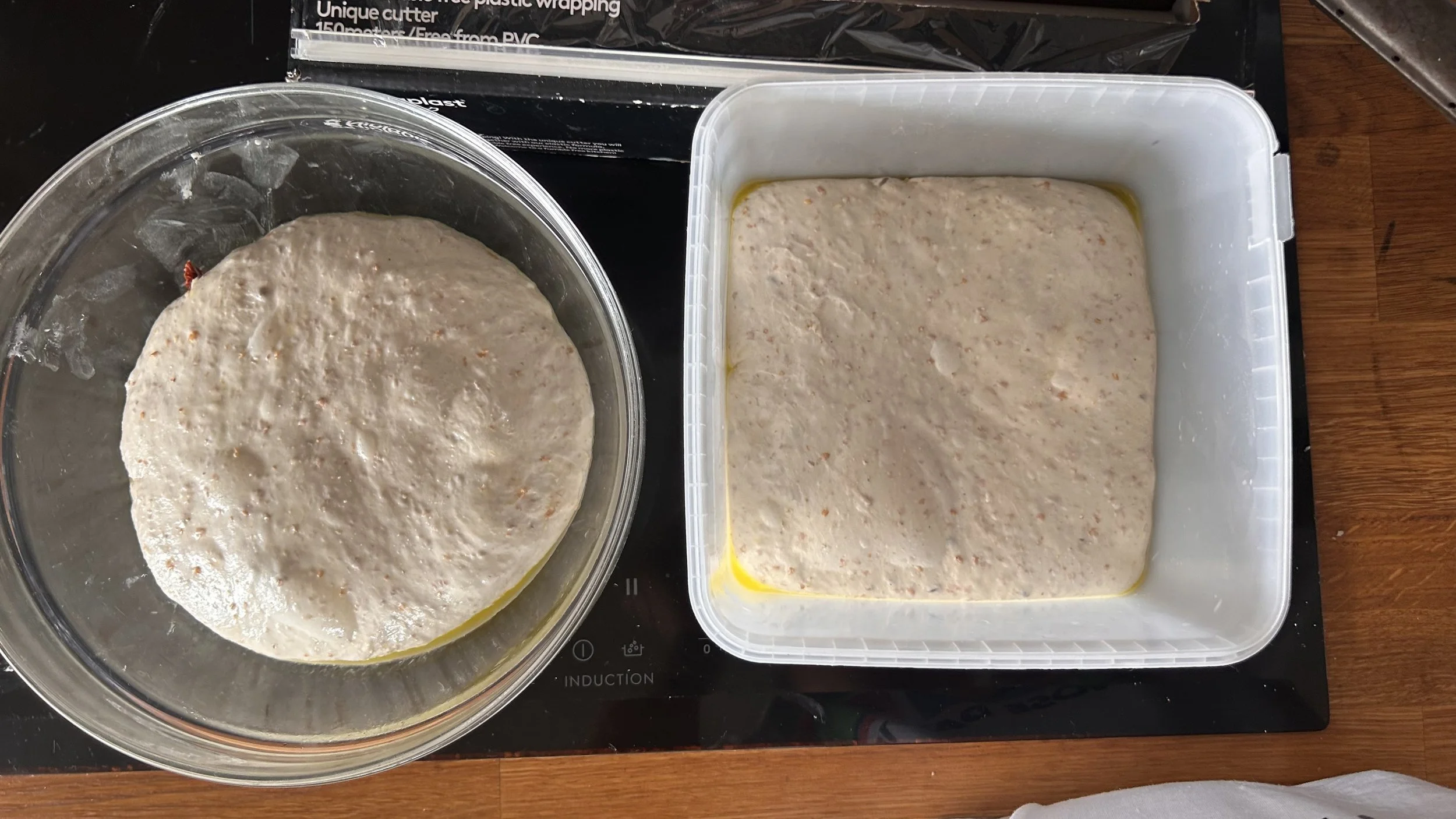
Does the dough look like this? It's too early to start laminating.
Turn the dough onto a work surface. With wet hands, gently stretch it into a large, thin sheet, as far as the dough and your table comfortably allow.
Then fold the sheet back onto itself, like a large towel, and return the dough to its container to continue fermenting.
It works on the same basic principle as a stretch and fold, but the stretch is MUCH bigger. Instead of pulling one part of the dough at a time, you stretch almost the whole piece into a thin sheet.
After you fold it back together, the dough feels stronger and contains plenty of air.
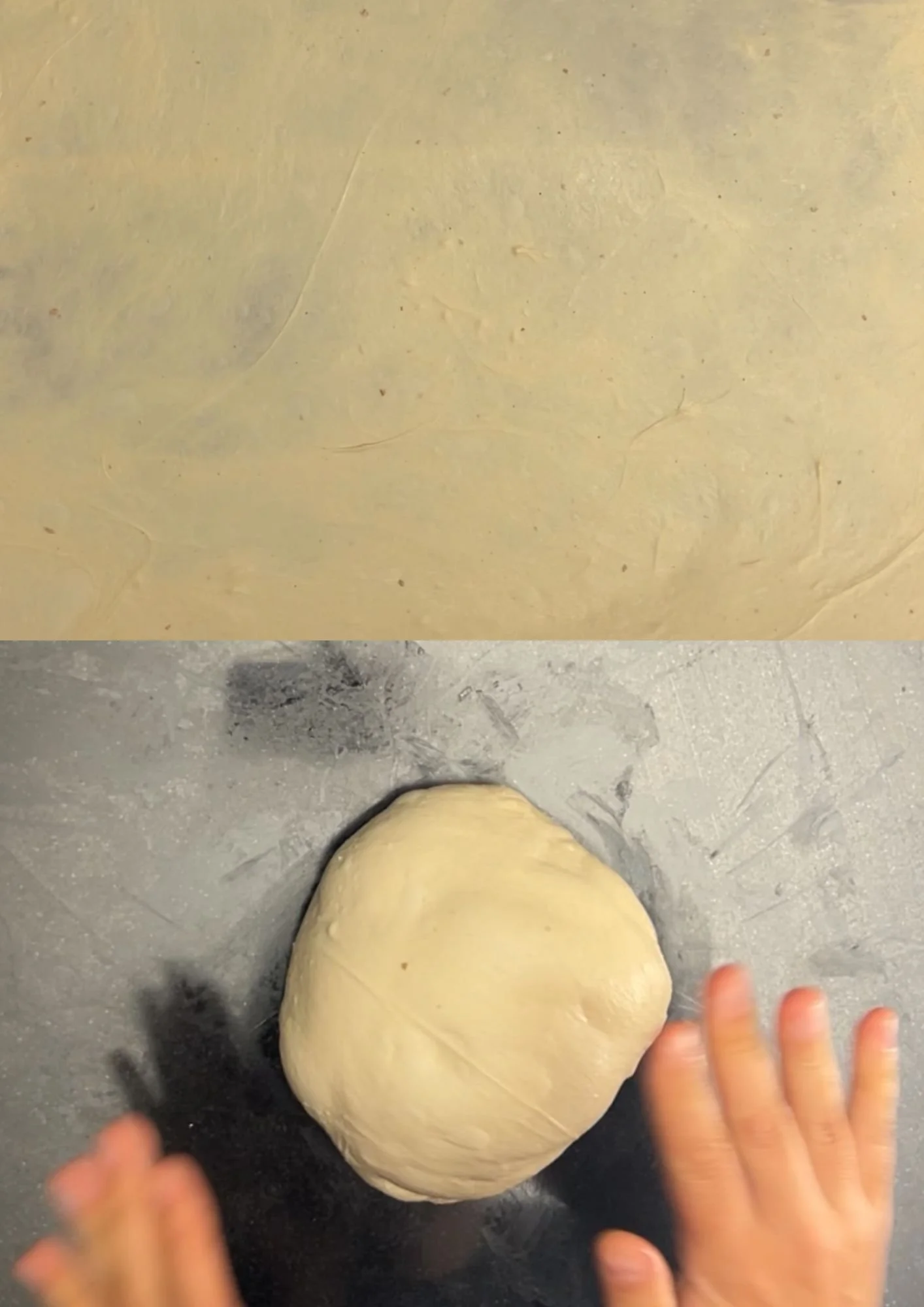
An excerpt from a video of my pizza workshop
Why Laminate Sourdough?
A stretch and fold strengthens the dough without aggressive mixing. It also evens out the temperature inside the dough and brings in some oxygen. If you have ever kneaded dough in a mixer with a dough hook, the hook may have torn the dough and heated it up, and the dough became sticky and started tearing. This is aggressive mixing.
Lamination does the same thing on a larger scale.
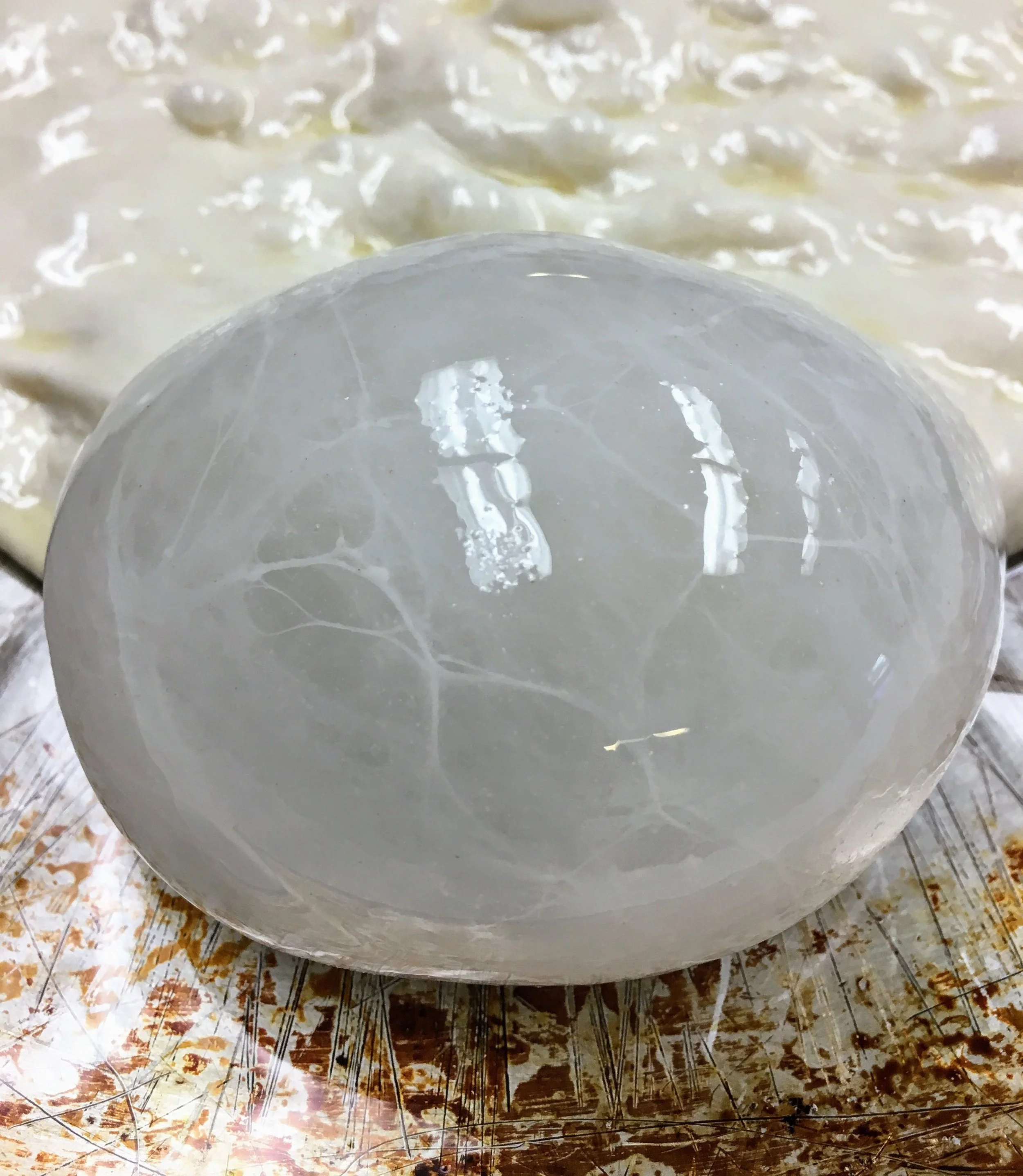
When the dough is relaxed enough, you can stretch it very thin. Then you fold that large sheet back together, trapping plenty of air between the layers. You may see bubbles almost immediately.
The oxygen encourages the yeast to become more active. At the same time, stretching and folding makes the dough stronger, so it can hold more of the gas the yeast produces.
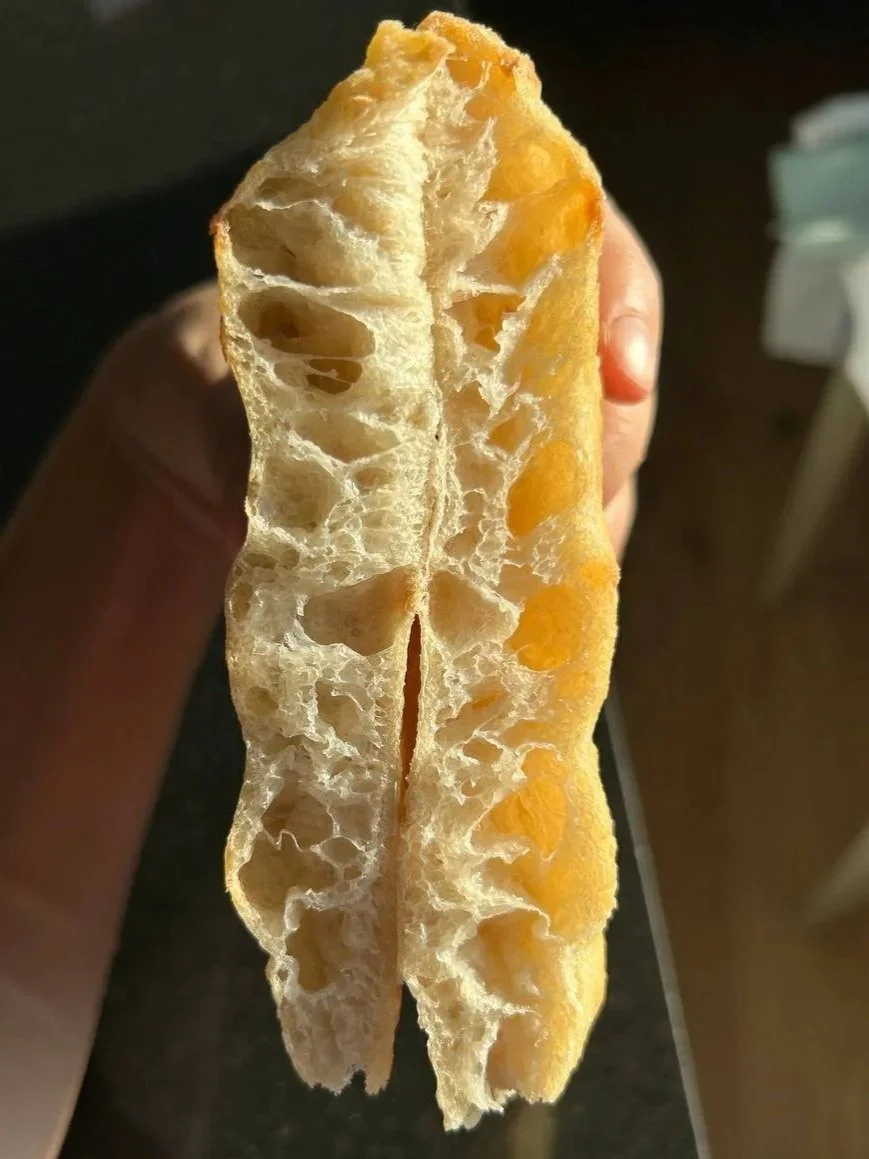
That can give you bread with more volume and a lighter, airier crumb.
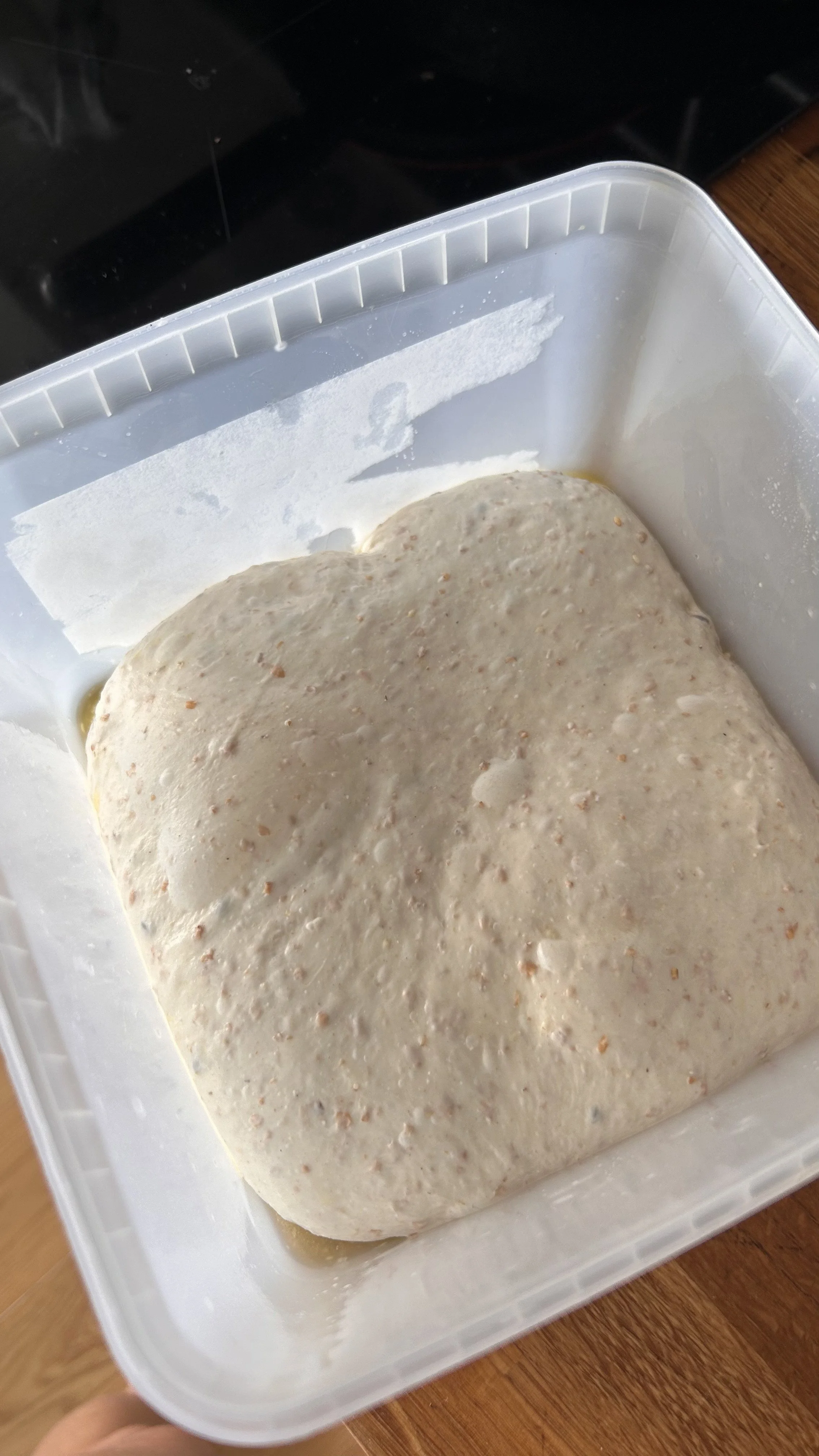
the dough right after lamination
Can Lamination Help Make Sourdough Bread Lighter and Airier?
Yes, especially if your dough struggles to hold the gas produced during fermentation.
Think about the bubbles inside bread dough. As fermentation continues, they grow. The dough around them has to be strong enough to stretch without breaking or letting that gas escape.
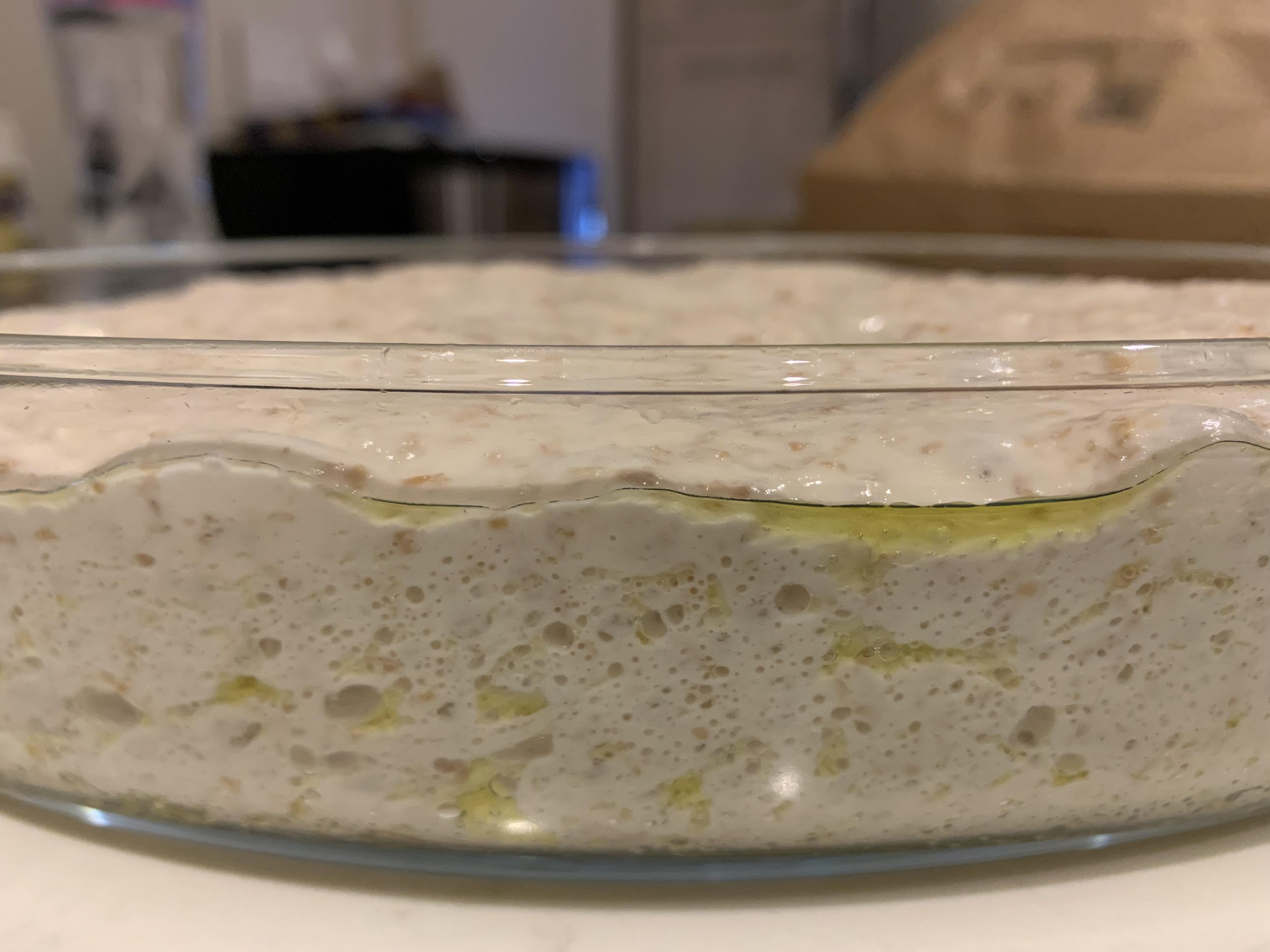
Lamination helps strengthen this structure. The dough can hold more gas, while the walls between the bubbles can become thinner. In the baked bread, this can give you a lighter and more delicate crumb instead of a coarse, dense one.
You may notice the difference most clearly at the beginning of baking, when the loaf makes its final rise in the oven.
Weak dough usually expands less. The crumb can be denser and coarser, the score may open poorly, and the bread may crumble when sliced.
So if you’re trying to understand how to make sourdough more airy, look at how well your dough stretches and holds its bubbles. Lamination can help improve both.
When Should You Laminate Dough?
A good starting point is 30–50 minutes after fermentation begins.
Don’t laminate immediately after kneading. Freshly mixed dough is still tense. It needs time to relax before you can stretch it into a large, thin sheet.
If you try too early, the dough will resist, spring back and refuse to stretch.
The exact timing depends on the dough. If you mixed it only briefly, it may relax in about 30 minutes. If you mixed it thoroughly, it may need 40–50 minutes or longer.
Use the clock as a guide, then check the dough.
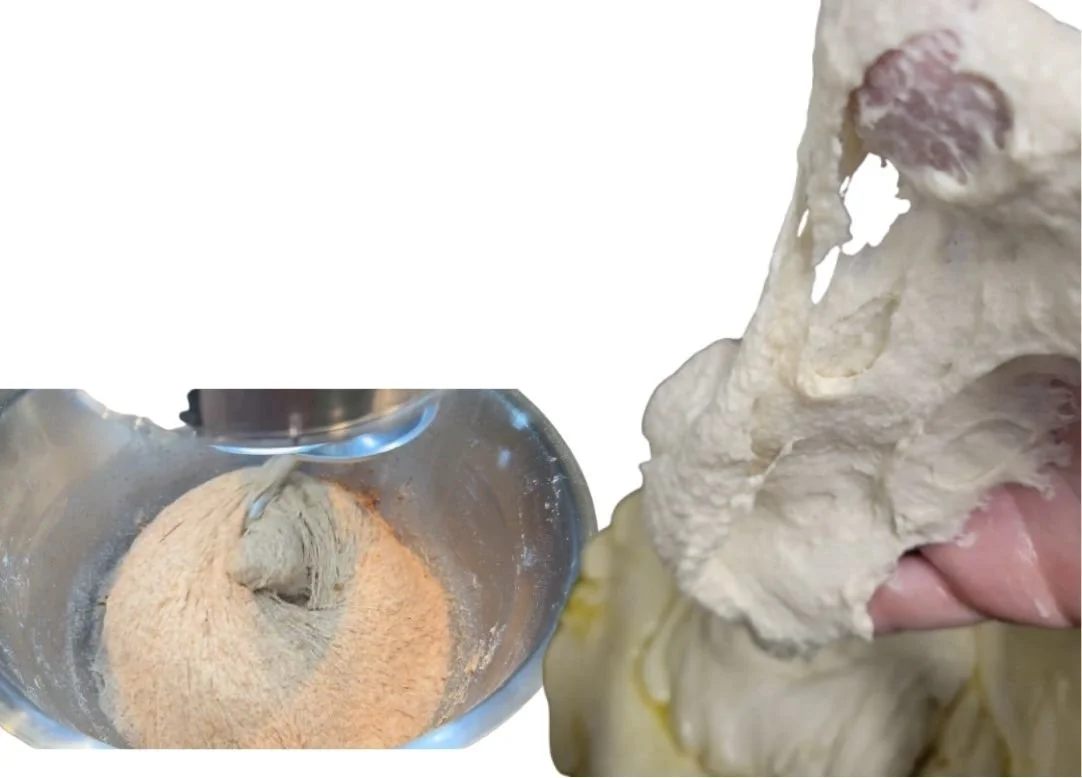
Also, don’t start lamination if the dough tears and slips through your fingers. You need to work it mechanically until it becomes cohesive and stops tearing.
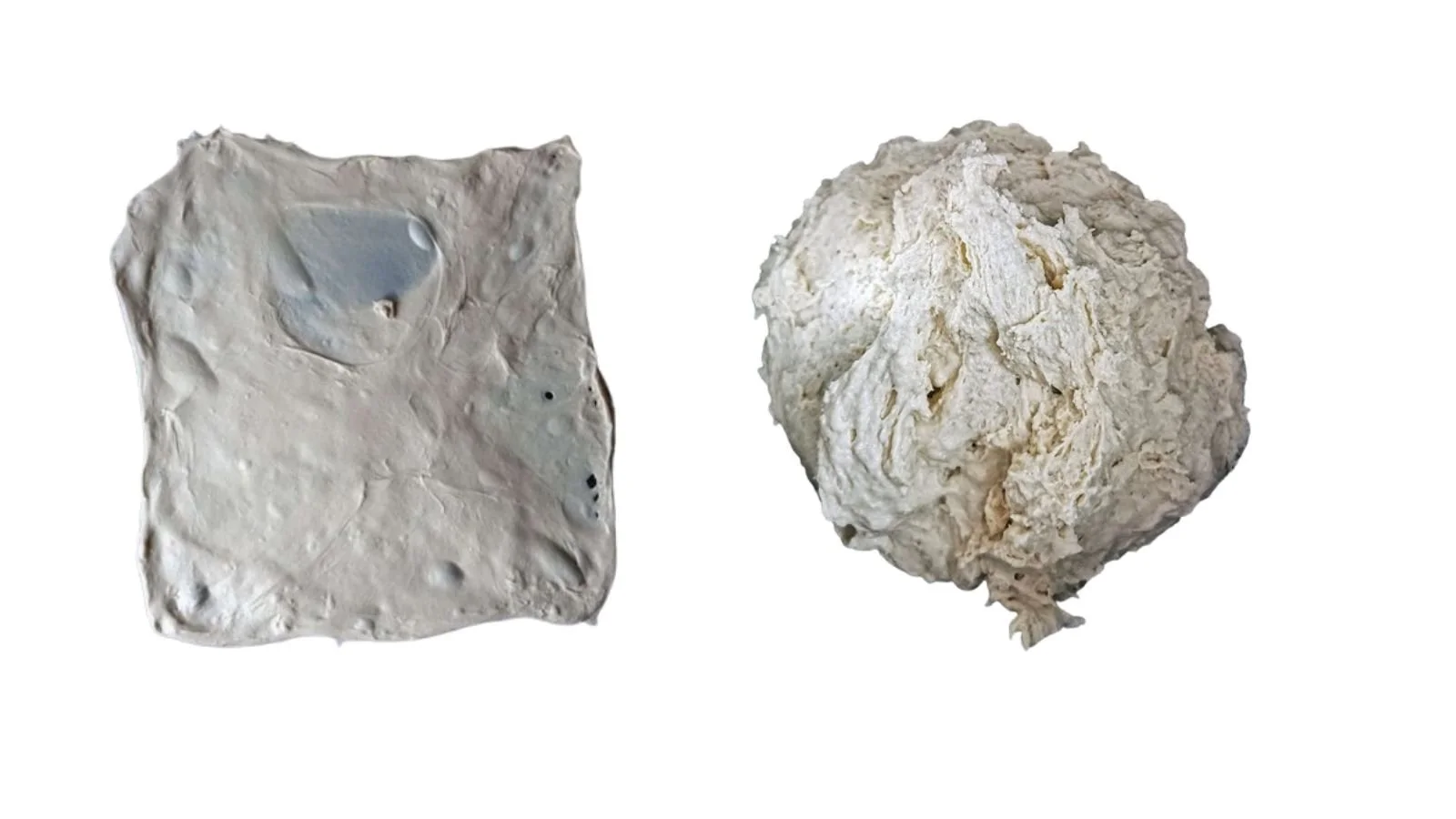
The dough on the right has not been kneaded enough to start lamination.
How to Tell If the Dough Is Ready for Lamination
Start stretching it gently.
A ready dough feels soft and relaxed and stretches without much resistance. And also it doesn’t tear!
If it feels tight, springy and keeps pulling back, wait a little longer. If it tears, put it back in the bowl and continue kneading.
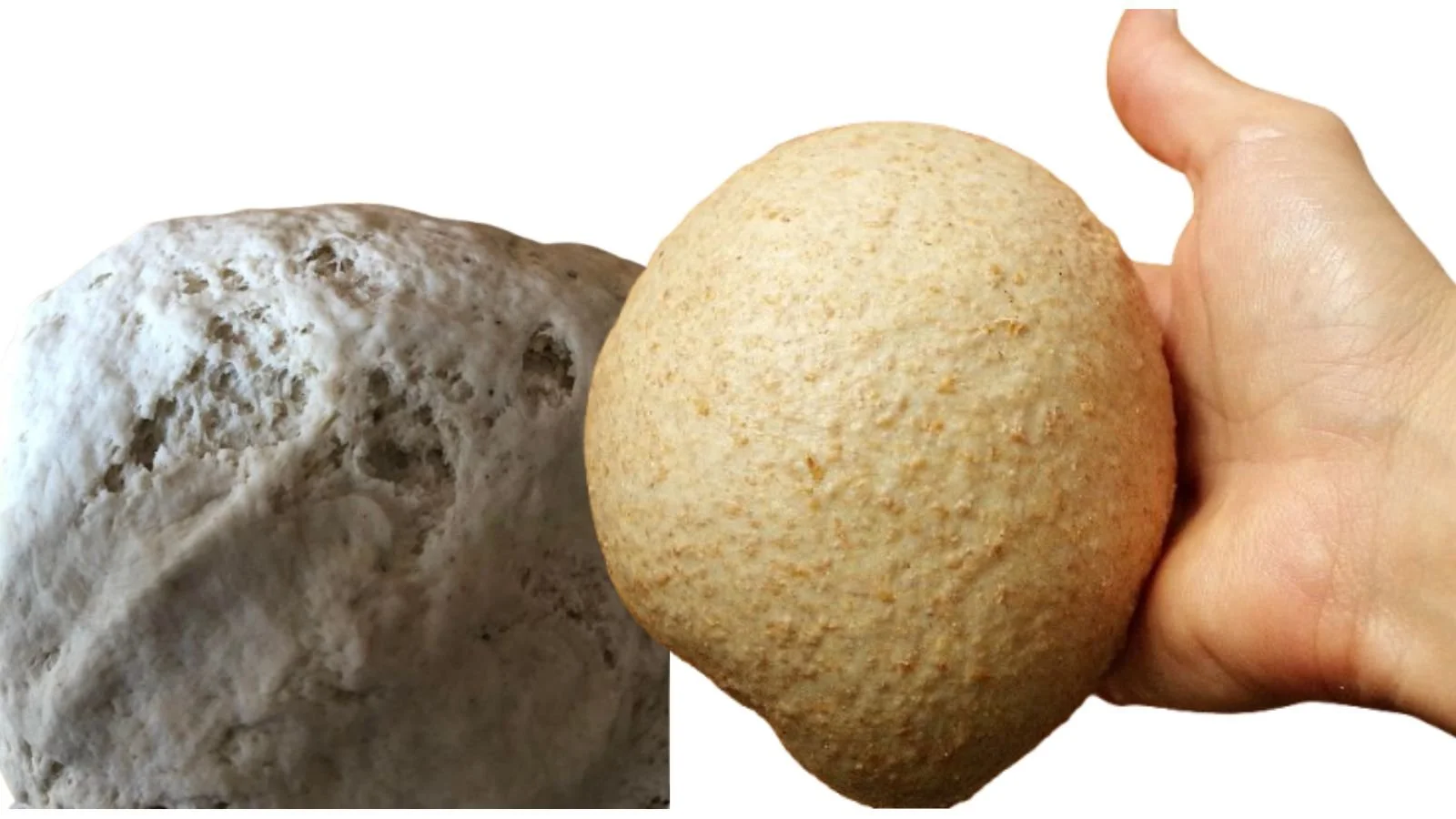
The dough on the left is not ready for lamination; the dough on the right is ready.
How to Laminate Sourdough Step by Step
1. Let the Dough Relax
After kneading, leave the dough for about 30–50 minutes.
Before you start, check how it feels. It should be relaxed enough to stretch easily and doesnt tear. If it is very hot at home, let the dough rest in the refrigerator.
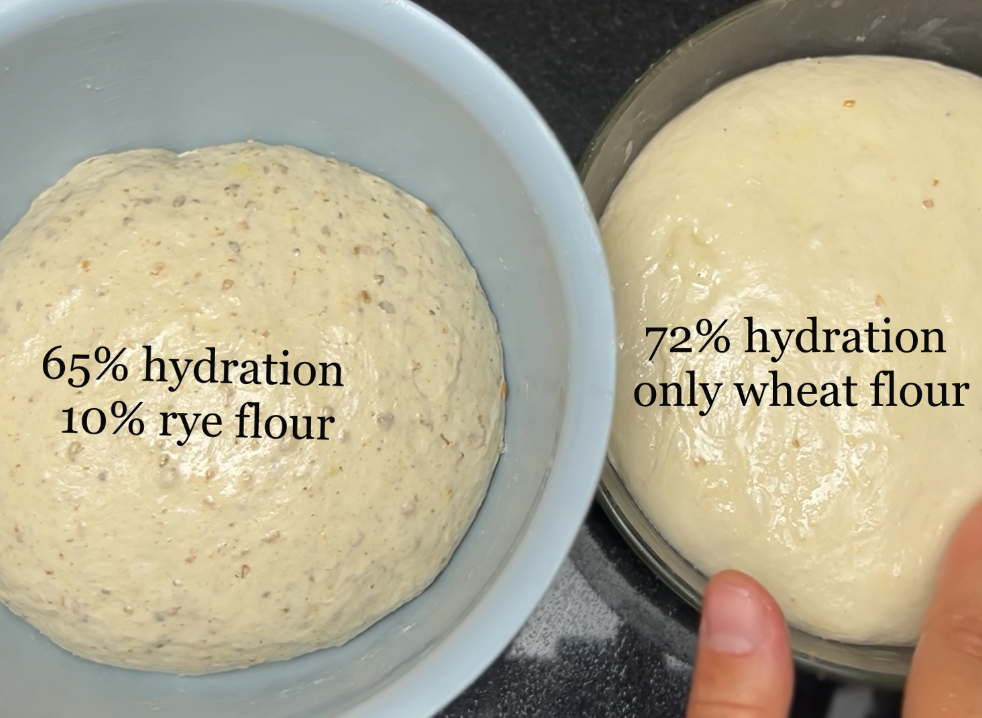
Relaxed dough
2. Stretch It Gradually
Use wet hands to gently stretch the dough outward. Work your way around it until you have a large, thin sheet. Go as far as the dough comfortably allows. There’s no reason to keep pulling once it starts resisting or tearing.
3. Fold the Dough Back Together
Fold the sheet over itself until the dough becomes compact again.
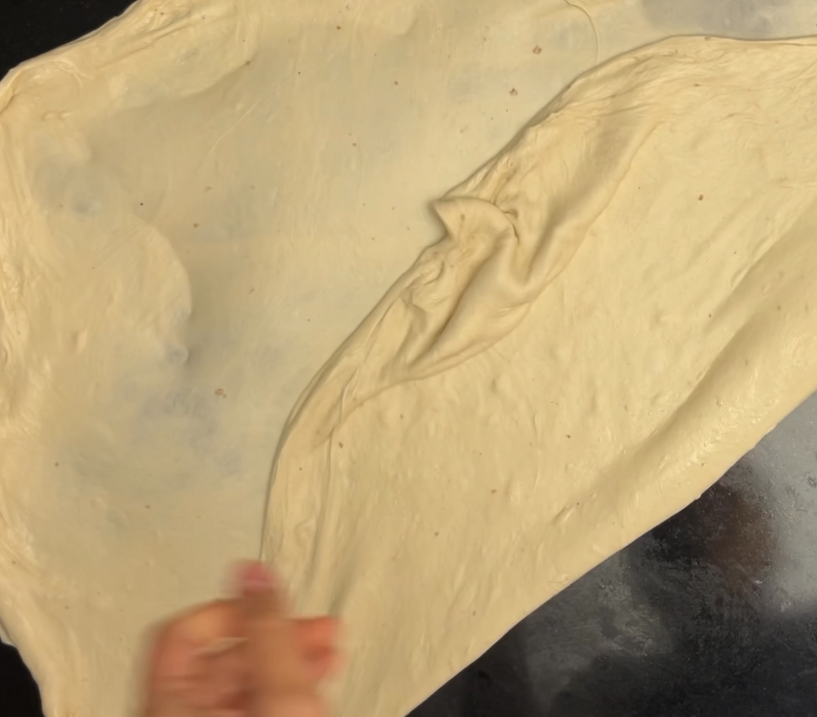
4. Let Fermentation Continue
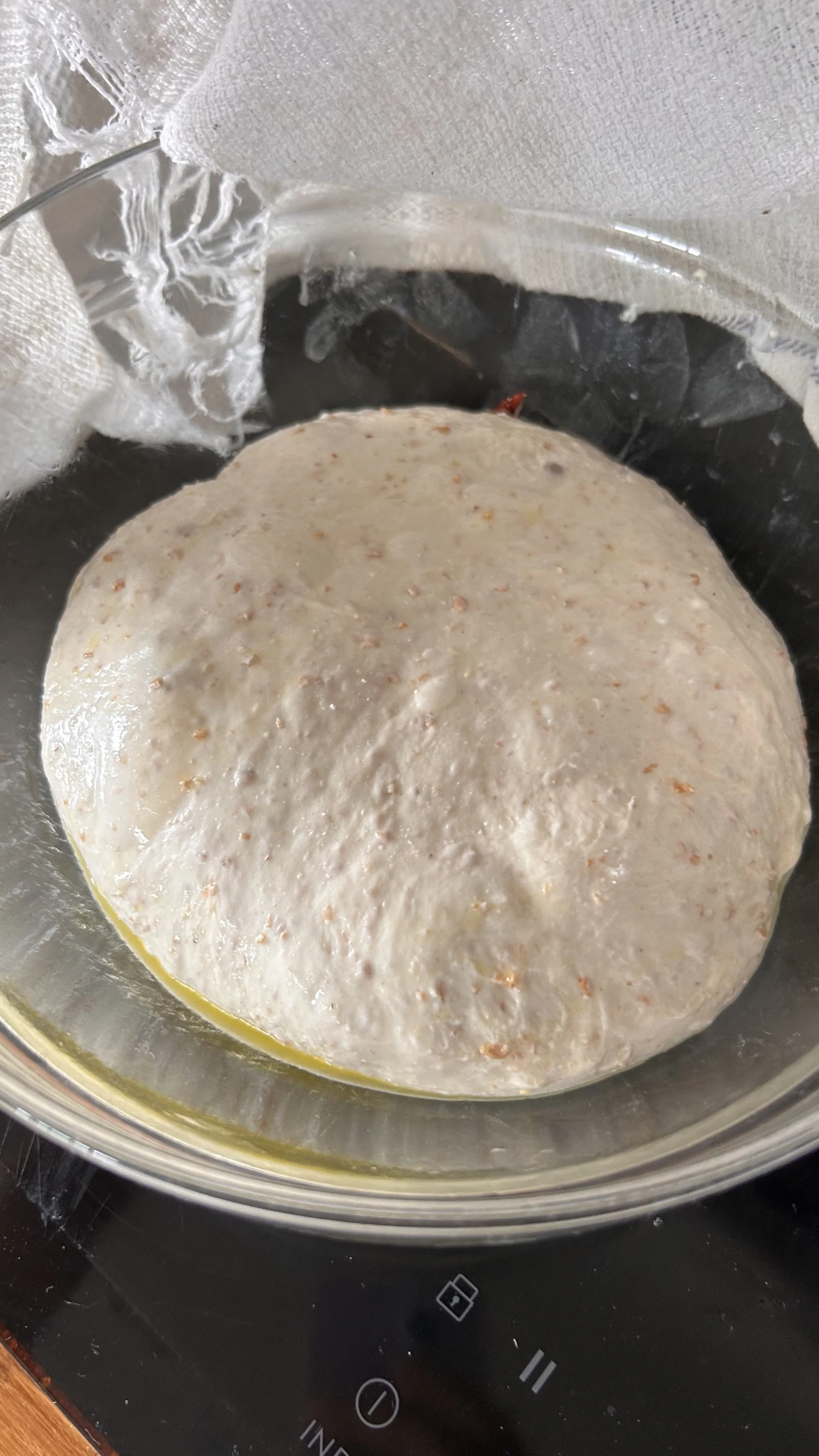
Return it to the container and leave it to ferment. You can put some olive oil there before!
The dough has just been stretched extensively and needs time to relax again. This is also the time to let it build up bubbles rather than keep handling it.
Should You Laminate Sourdough More Than Once?
You can, but usually there’s no need.
After lamination, the dough becomes quite tense. It may take an hour or more to relax again.
By then, it may be better to leave the dough alone and let it ferment and fill with bubbles rather than stretch it out for a second time.
If needed, give it one gentle fold about 40–60 minutes after lamination. Don’t stretch it aggressively. Just fold it enough to bring the dough together.
Often, even this extra fold isn’t necessary.
Do You Need Stretch and Folds After Lamination?
After lamination, the dough is under a lot of tension, so it needs time to relax and ferment undisturbed while building up bubbles. If bubbles have already started to appear, that’s a good sign that it’s better not to disturb the dough unnecessarily.
About 40–60 minutes after lamination, you can do one very gentle fold if the dough really needs to be brought together. But there’s no need to stretch it much, and even this extra fold is not always necessary.
So, if the dough holds itself well after lamination and you can already see bubbles, I would leave it to ferment without another stretch and fold.
What If Huge Bubbles Appear After Lamination?
Large bubbles after lamination are normal.
You’ve just stretched the dough into a thin sheet and folded plenty of air into it, so some obvious bubbles may appear.
If a bubble becomes very large, you can pop it. You don’t need to hunt down every large bubble, though. They usually disappear on their own.
Can You Add Inclusions During Lamination?
YES! I'm adding all the inclusions at this stage! But be careful, because the bread will take longer to ferment with them, and they can damage the structure. So if you’re not very experienced yet, it’s better to first learn how to bake bread without them.
